LS Staging

Tag: Personalization

  • Ensuring Consumer-Data Privacy in This Era of Digital Personalization at Scale

    Ensuring Consumer-Data Privacy in This Era of Digital Personalization at Scale

    McKinsey Digital suggests that personalisation at scale is the new Holy Grail in digital marketing. When done correctly, it can improve the lives of the consumers, increase engagement, and make them loyal brand advocates. But the concept of personalisation is nothing new.

    For decades, industry luminaries are trying to personalise customer experiences based on their online behaviours. But the personalisation journey has mostly been slow, expensive, and complicated. Even in this age of modern technology where customer data is available in abundance, personalisation continues to remain a mirage for several brands.

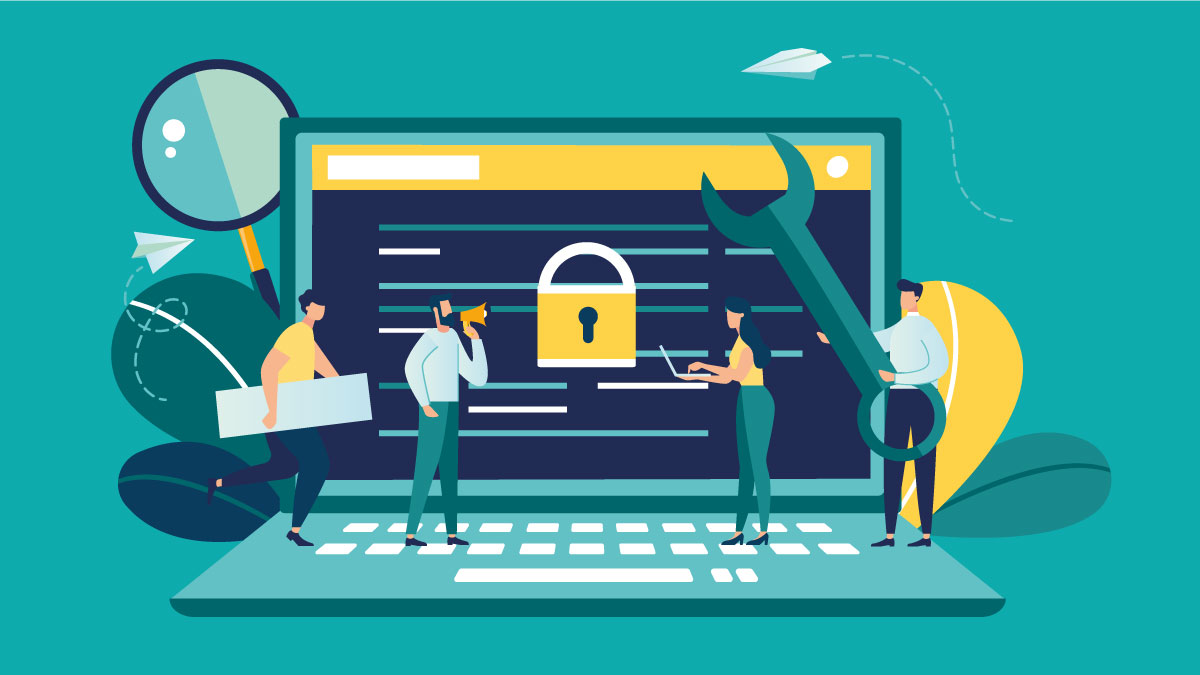
    One of the biggest challenges for most brands aiming to deliver personalisation at scale is with regards to the security and privacy of consumer data. Over the last few years, there have been multiple data breaches and scandals, like the Cambridge Analytica scandal, that have made public and even the lawmakers wary of how brands collect, secure, and use consumer data.

    But as it is said, every challenge is a new opportunity. There are now brands delivering personalisation at scale while also ensuring consumer data privacy. Here are a few strategies that are helping such brands achieve this feat-

     1. Transforming/Upgrading Digital Marketing Systems and Applications

    The first step to deliver personalisation with improved data privacy is transforming or upgrading the systems and applications used for digital marketing initiatives. The systems that generate, consume, transmit, or store consumer data should use best practices to protect data while also complying with the legal standards now applicable in countries like the USA and Europe.

    Digital marketing should be focused upon throughout this transformation or upgradation so that the team members also understand the importance of data privacy.

     2. Clearly Define Roles and Responsibilities

    For improved data security, an organisation should also focus on clearly defining the roles and responsibilities of the available human resources. This will add more clarity and transparency to the whole personalisation at scale initiative and enable the organisation to respond in case of a breach.

    The team members should thoroughly understand their responsibilities during a breach and even during the normal day-to-day operations.

     3. Data Sanitisation and Tokenisation for Remarketing

    While data encryption continues to be a popular method for increasing the safety of data when it is being transmitted or is at rest, many organisations now sanitise and tokenise the consumer data, especially for remarketing purposes. While sanitisation makes the data unrecoverable on a storage device, tokenisation replaces data elements with tokens that have no value or meaning.

    So, even when the organisation retargets a particular consumer, these advanced data security technologies ensure improved privacy.

    4. Continuous Training for Key Roles

    As per a report on Telegraph, malicious links distributed via email is the most common cyber threat for businesses. While there are advanced solutions to avoid such threats, the importance of continuous education and training cannot be overstated.

    The marketing team, especially people in key roles, should be regularly provided adequate role-based training for improved consumer data protection and overall security of the organisation.

     The Bottom Line

    Personalisation at scale is as it is challenging to deliver and ensuring data privacy only makes it more complicated. But personalised marketing has already proven its worth over the years and is now increasingly important in this hyper-competitive business landscape.

    While countries like the USA and Europe already have laws and regulations in place to protect consumer data, it is only a matter of time before other countries jump the bandwagon too. Strategies like the ones discussed in this post are being used by businesses to deliver personalisation while also ensuring enhanced protection to consumer data.

    A brands’ focus on personalisation with data protection will not just help it to comply with the laws and regulations but also improve its reputation and enable it to build lasting relationships with the consumers.

  • Personalization is changing the face of marketing. Are you there?

    Personalization is changing the face of marketing. Are you there?

    Using data-driven insights to provide the target audience with personalized ads is not a new idea. It has been around for a few years now. Yet, 84% of consumers feel that the number of irrelevant marketing messages they see every day keeps on increasing, especially on mobile.

    So, what’s going wrong? CMOs and other marketers have access to more data and better technology, but why are consumers still feeling that they are bombarded with irrelevant messages?

    The answer lies in targeted personalization. Here, in this guide, we walk you through the basics of some precise personalization tips on how to nail it right.

    Striking the Right Balance between Personalization and Intrusion

    Yes, it’s a fine line. Though there have been plenty of concerns raised about privacy; consumer studies reveal that the audiences welcome personalized ads as long as it’s transparent and done correctly.

    A study by Adobe found that 78% of consumers like personalized ads, while another study by Epsilon reveals that 80% of consumers are likely to make a purchase when a brand offers them a personalized experience.

    As one can understand from these studies, personalization works big time. But, what’s the right way to go about it, without intruding on the privacy of the consumer?

    Start with a Personalization Roadmap

    All CMOs desire to achieve personalization. But, what they fail at is defining how to get it done. This is where a personalization roadmap comes into the picture.

    What is it? A personalization roadmap is a clearly-defined marketing plan for the entire marketing team to follow.

    What does it do?

    • Identifies personalization goals
    • Evaluates current capabilities
    • Define personalization strategies
    • Identifies and segments the audience
    • Prioritization of personalization

    Now, that we’ve discussed the roadmap, let’s take inspiration from a few market leaders who have nailed personalization perfectly.

    3 Brilliant Examples of how Brands were able to Leverage Personalization to Achieve their Goals

    1. Netflix

    Netflix is synonymous with personalization, and the company spends millions of dollars on continuously upgrading its algorithm to provide users with the best CX. But, it doesn’t end there. Recently, the streaming giant revealed that their app personalizes the artwork seen by consumers. The artwork for shows, movies are personalized based on previous user actions.

    By matching the right artwork with the right audience, Netflix can show viewers the content they are likely to watch. In the words of a Netflix spokesperson, “we don’t have one product. But, we have over 100 million products matched to our subscribers based on their personal preferences.”

    The key takeaway: Consistently refine your approach to personalization and try to get the best use of customer data.

    1. Coca-Cola

    The “share-a-coke” campaign is one of the best examples of personalized marketing. The idea behind the campaign was to get people to purchase personalized coca-cola bottles and share the image on social networks using #shareacoke.

    As a result of the campaign, Coca-cola was able to see an increase in its sales for the first time in a decade.

    The key takeaway: What’s brilliant about this campaign was that it appealed to the current trends of social media sharing. Matching personalization with current trends a sure-fire strategy to success.

    1. Easy Jet

    Everyone loves a bit of nostalgia, and Easy Jet nailed this with its 20th-anniversary campaign. To commemorate the special event, Easy Jet sent out a personalized email to all its customers. The email had the entire travel history of the customer with the airline like – the first time they travelled with the airline, where they are likely to go next and so on.

    The email open rates for this campaign were 100% higher than regular newsletters, and the company saw an increase in CTRs by 25%.

    The key takeaway: Combining storytelling with personalized data builds customer connections and engagements rates, thereby increasing brand loyalty.

    What’s holding back brands from Achieving Precise and Targeted Personalization?

    There are plenty of reasons for this. Contrary to common belief, it’s not a lack of data that prevents brands from achieving highly-effective personalized campaigns. Rather, it’s a lack of budget and overconfidence.

    In a study by Avanade/Sitecore, 73% of CMOs surveyed stated that there is a lack of collaboration between the marketing dept and IT dept, which makes it difficult to secure funding. The study also found that CMOs failed in testing personalized ads, which, in turn, reduces efficiency and ROI.

    Personalization is not a one-time process. It’s Continuous.

    Less than 40% of marketers make use of even basic data like purchase history, referral source, browsing history to provide their audience with targeted, relevant, and highly-precise ads. That’s a whole lot of opportunities wasted.

    At Logicserve Digital, we have been helping companies transform the way they engage with their customers. We do this with our marketing partner Adobe. They help us to personalized experiences at scale, powered by AI. For more details please get in touch at sales@logicserve.com