LS Staging

Tag: Hyper-Personalization

  • Weekend Digital Media Round-Up How To Enhance Your Digital Marketing With AI, AI as a festive enabler: smarter interfaces, accessibility, regional-language adoption, How Top Brands Are Driving Growth With Unified Commerce  & More….

    Weekend Digital Media Round-Up How To Enhance Your Digital Marketing With AI, AI as a festive enabler: smarter interfaces, accessibility, regional-language adoption, How Top Brands Are Driving Growth With Unified Commerce & More….

    1.How To Enhance Your Digital Marketing With AI

    AI is transforming digital marketing by enabling real-time data analysis, hyper-personalized campaigns, and scalable content creation. Rather than replacing marketers, it acts as a strategic partner, allowing them to focus on creativity, strategy, and building authentic customer relationships. [Source: Forbes]

    2. AI as a festive enabler: smarter interfaces, accessibility, regional-language adoption

    AI is transforming India’s festive digital experiences by making platforms more intuitive, inclusive, and language-friendly. From smarter search and payment flows to voice assistants and regional-language support, these innovations are helping users across demographics engage more easily and meaningfully online. [Source:Ā  ET Edge]

    3. How Top Brands Are Driving Growth With Unified Commerce

    Top brands are embracing unified commerce by integrating AI, first-party data, and cross-channel collaboration to simplify the complex modern shopper journey. Rather than chasing every new tech trend, they focus on building consistent, data-driven experiences across touchpoints—both online and offline. [Source: AdWeek]

    4. In graphic detail: How AI is going to shape influencer marketing next year

    AI is rapidly transforming influencer marketing, pushing creators to adapt to new tools and strategies. As brands increasingly rely on automation and data-driven insights, the industry is bracing for a shift in how content is created and monetized, raising questions about authenticity and consumer trust. [Source: DigiDay]

    5. Anticipatory AI: How ChatGPT Pulse is Redefining Brand Engagement and Consumer Trust

    Anticipatory AI, exemplified by ChatGPT Pulse, is revolutionizing marketing by shifting from reactive messaging to proactive, predictive engagement. It enables brands to anticipate consumer needs and deliver hyper-personalized experiences—while emphasizing the importance of trust, transparency, and ethical data use. [Source: AdTech Today]

    6. Your Brand Is Being Cited By AI. Here’s How To Measure It

    AI assistants like ChatGPT, Copilot, and Perplexity are reshaping how brand visibility is measured by surfacing content in conversational interfaces before users even click. SEO now extends beyond rankings to include tracking mentions, impressions, and citations within these generative platforms—forming a new ā€œanswer layerā€ above traditional search. [Source: Search Engine Journal]

    7. The Psychology of Hyper-Personalization

    AI-driven hyper-personalization can enhance consumer trust and loyalty when it aligns with psychological needs like autonomy and relatedness. However, it also raises privacy concerns, and without transparency and control, it risks feeling intrusive and damaging trust. Brands must balance personalization with ethical data use to build lasting emotional connections. [Source: Psychology Today]

    8. Building a Framework for Authentic Real-Time Brand Strategy That Works

    Real-time brand strategy demands cross-departmental alignment, thoughtful planning, and authentic engagement rather than just reacting quickly to trends. Success comes from knowing when to act, when to pause, and how to build trust through meaningful partnerships and creative risk-taking. [Source: AdWeek]

    9. AI, Compliance and Customer Trust: 3 Pillars of Modern Personalization

    Marketing leaders are reimagining personalization by focusing on transparency, compliance, and ethical data use, driven by tighter privacy laws and advanced AI. With a 30% budget increase in 2025, personalization is evolving into real-time, AI-orchestrated customer journeys, demanding integrated human-AI teams and adaptive governance models. [Source: CMS Wire]

    10. Google updates Search and Discover with collapsible ads, AI features, and more

    Google is introducing collapsible ads and AI-powered features to its Search and Discover platforms. Users can now hide sponsored results for a cleaner experience, while new tools like ā€œWhat’s Newā€ and AI-generated previews help users stay updated on trending topics and sports news. [Source: Tech Crunch]

  • Top Social Media Marketing Strategies for Indian Brands in 2024

    Top Social Media Marketing Strategies for Indian Brands in 2024

    The landscape of consumer behaviour is constantly evolving, and with it, the strategies that brands use to engage with their audiences. What worked a decade ago may no longer be relevant, and even last year’s tactics could already feel outdated in today’s rapidly changing digital environment. Nowhere is this more evident than in India—a nation with a vast and diverse population, where understanding the pulse of various target groups is both a challenge and an opportunity.

    As the digital world continues to shrink global boundaries, Indian consumers are increasingly exposed to international standards not only in products and services but also in marketing practices. This has led to a heightened expectation for brands to deliver marketing campaigns that are not only culturally relevant but also globally competitive. Social media marketing in India has become a critical platform where brands must innovate and adapt to stay ahead. In 2024, the key to success for Indian brands lies in leveraging top social media strategies that resonate with local audiences while meeting global standards of engagement and creativity.

    As social media marketing becomes an indispensable tool for India brands, let us look at some top social media marketing strategies that businesses can leverage to stay ahead of the curve.

    Authenticity

    Social media has revolutionized the free flow of information, enabling consumers to research brands and stay informed about industry developments. Today’s consumers are well-informed and quick to spot inconsistencies, exposing brands that misrepresent themselves. For instance, when the World Health Organization highlighted the potential hazards of Aspartame, an ingredient in Coke Zero, Coca-Cola allegedly hired influencers, including dieticians and doctors, through the American Beverage Association to cast Aspartame in a positive light. However, social media users quickly exposed this, leading to Federal Trade Commission notices for violating the FTC Act.

    For brands, authenticity is now more crucial than ever. Attempting to project an image that isn’t true to who you are simply won’t cut it anymore. Indian brands need to grasp this quickly to stay ahead. Take The Whole Truth, for example. This brand excels by embracing transparency and empowering consumers with clear information about what they’re eating. Their commitment to authenticity has not only driven their success but also solidified their reputation as a trustworthy brand. In short, to stand out in 2024, brands must focus on creating genuine content on social media and being transparent with their customers. This approach will help them distinguish themselves from competitors and build stronger connections with their audience.

    Influencer Marketing

    Influencer marketing, while not new, continues to be one of the most effective social media strategies for brands. In fact, the Influencer Marketing industry in India is expected to reach $34 billion by 2026, driven by the rapid rise in internet penetration and digitization. With the emergence of micro and nano influencers, brands now have the opportunity to collaborate with those who closely align with their values, enhancing authenticity and trust. The key for brands is to focus on building long-term relationships with influencers, fostering consistent and genuine content that truly resonates with their audience.

    Hyper personalization and Customer Engagement

    Everyone loves it when they get personal attention as it makes them feel seen and heard. While providing personal touch to your customers must’ve seemed impossible before, it is not the case anymore thanks to the vast amount of data available for brands. With the help of tools available on social media platforms such as Meta (Formerly Facebook), Instagram, Snapchat, etc, brands can use data analytics to understand what each customer prefers and tailor their content accordingly.

    For example, if a person shows interest in buying a t-shirt from The Souled Store, but leaves it in their cart, brands can send them personalized follow-up emails, and maybe even offer them a minor discount to further incentivize them to complete the purchase. Additionally, directly engaging with customers through comments, emails, messages etc. makes them feel valued and understood, which is the need of the hour. So, if there is one strategy that brands should adopt in 2024, it is giving their customer individual attention wherever and whenever it is feasible

    Short-Form Video Content

    According to a 2023 BCG report, the average attention span of a person has fallen to just 8 seconds in the last few years. While this cannot be directly attributed to the emergence of bite-sized content due to a lack of concrete evidence and studies, the consumption of such content in India has been on a upwards trend. With Instagram Reels, YouTube Shorts, and now even LinkedIn coming up with its own version of short-video content, people are increasingly moving towards content that is under 30 seconds.

    While reducing attention spans might not be a particularly good thing for humans, it is the reality. Social media marketing functions on attention, and brands need to be where the attention is. Owing to this, creating bite-sized content to engage with audiences becomes crucial for any brand to stay relevant and engage with audiences directly.

    Meme Marketing

    When memes first blew up on the internet, no one could’ve imagined them to become powerful marketing tools. Memes basically use humour to engage audiences, which, if leveraged correctly, can work wonders for a brand.

    An important thing to note that memes are short lived and new formats and trends spring up every single day. So, it isn’t necessary for brands to jump on all trends as overdoing it could dilute the brand’s voice and positioning in the industry. Identifying the trends accurately and connecting it with your brand is crucial before making content around a trending meme format.

    Some great examples of brands leveraging memes would be Swiggy, DuoLingo, and Zomato, who not only are extremely creative with their copy, but also curate meme content in other formats that is relevant and appeals to their audiences.

    As Indian brands continue to navigate the dynamic landscape of social media marketing in 2024, embracing these strategies will be vital for success. However, while this list stands relevant today, with the pace at which the global economy is shifting, these might not be relevant next year. So, above all, the one social media strategy India brands must adopt is adaptability, for change is the only constant and going with the tide is a proven pathway to success.

  • The Role of AI in Hyper-Personalized Customer Journeys

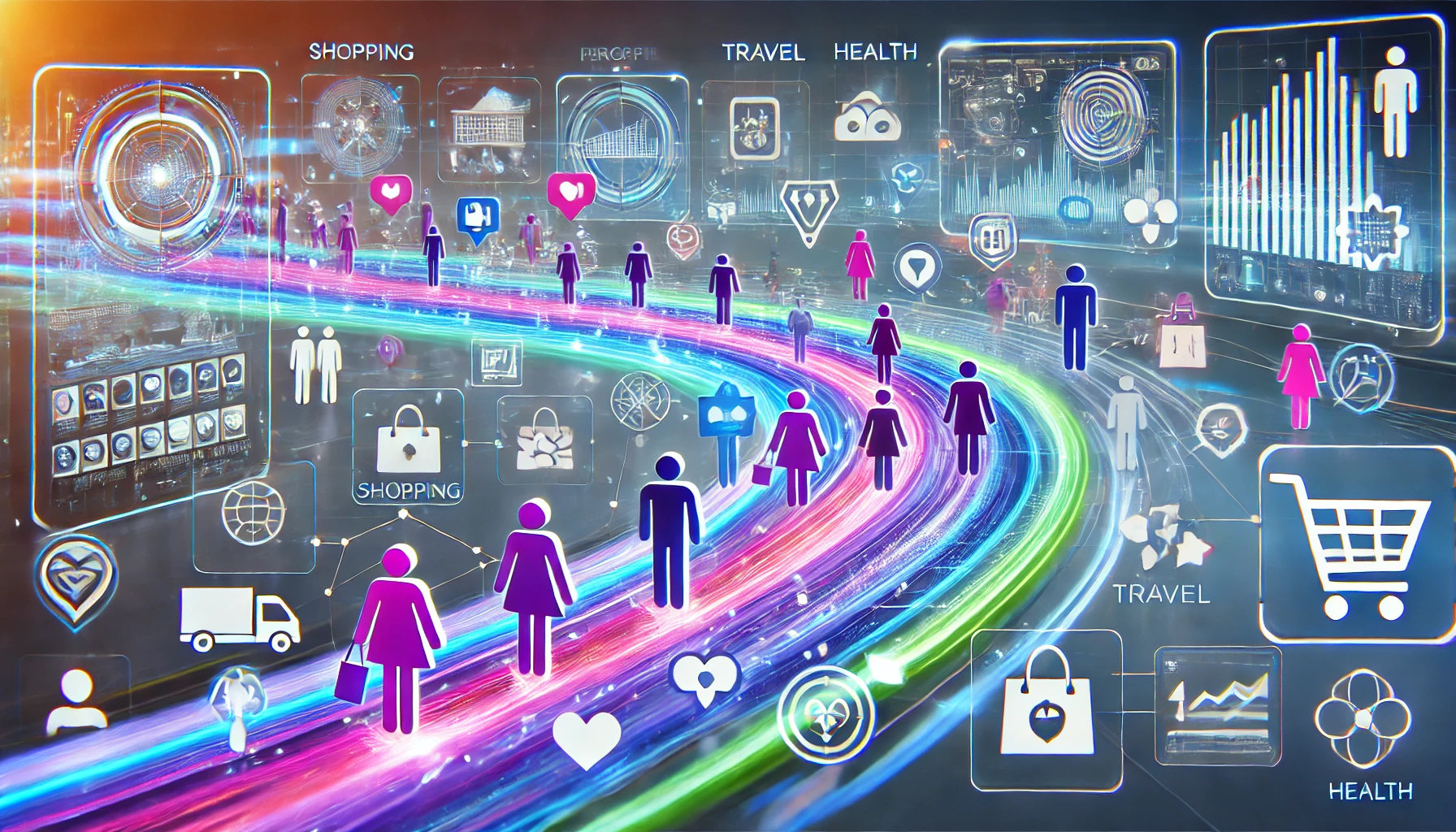
    The Role of AI in Hyper-Personalized Customer Journeys

    In today’s fast-paced digital world, creating an outstanding customer experience isn’t just a nice-to-have—it’s a game-changer. We’ve all been there: scrolling through endless products or services, feeling lost in a sea of options. That’s where the magic of hyper-personalization and AI-powered customer journeys comes in.

    What’s Hyper-Personalization All About?Ā 

    Think of hyper-personalization as your digital concierge. It’s like having a friend who knows your tastes perfectly, always ready with spot-on recommendations. By tapping into AI and machine learning, businesses can craft experiences that feel tailor-made for each person. It’s not just about putting your name in an email anymore—it’s about understanding your unique preferences and needs at every step of your customer journey.

    But let’s dive deeper. Hyper-personalization is about creating a 360-degree view of each customer. It’s about understanding not just what they’ve bought, but why they bought it, when they’re most likely to shop, and even predicting what they might need next. This level of insight allows businesses to create truly meaningful interactions that resonate on a personal level.

    Imagine walking into a store where the staff knows exactly what you’re looking for before you even ask. Now, translate that experience to the digital world. That’s the power of hyper-personalization. It’s about creating digital experiences that are so intuitive and relevant that customers feel truly understood and valued.

    The Secret Sauce: AI and Your Customer Journey

    AI is the wizard behind the curtain, making hyper-personalization possible at scale. Imagine millions of tiny decisions being made in real-time, all to make your experience smoother and more enjoyable. From suggesting your next favourite product to offering help right when you need it, AI is working tirelessly to anticipate your needs.

    Here’s how AI is reshaping the customer journey:

    • Smart recommendations that feel like they’re reading your mind
    • Prices and offers that adjust to match your shopping style
    • Friendly chatbots that are always there to lend a hand
    • Seamless experiences whether you’re shopping online or in-store


    The beauty of AI in the customer journey is its ability to make every interaction feel personal, even when it’s serving millions of people at once. It’s like having a personal shopper who’s always on call, helping you navigate your unique path while staying true to the brand’s story.

    But it’s not just about making sales. AI-powered customer journeys are about building relationships. They’re about understanding the context of each interaction and responding in a way that adds value. For instance, AI can analyze past purchases, browsing history, and even social media activity to predict when a customer might need a refill on their favorite product, or when they might be in the market for a complementary item.

    Moreover, AI can help businesses understand the emotional context of customer interactions. By analyzing sentiment in customer communications, AI can help tailor responses that are not just factually correct, but emotionally appropriate. This level of emotional intelligence in digital interactions can significantly enhance customer satisfaction and loyalty.

    Taking Your First Steps into Hyper-Personalization

    Ready to dive in? Start by getting to know your customers better. Collect those valuable nuggets of information that make each person unique. Then, craft content that speaks directly to them at every stage of their journey with your brand.

    Remember, consistency is key. Whether they’re checking their email, browsing your website, or using your app, make sure the experience feels seamless and tailored just for them. And don’t forget to leverage a robust digital platform that can bring all these personalized touches together seamlessly.

    But where do you begin? Start by auditing your current data collection practices. Are you gathering the right information? Are you using it effectively? Consider implementing a Customer Data Platform (CDP) to unify data from various sources and create comprehensive customer profiles.

    Next, focus on creating dynamic content. This could be anything from personalized product recommendations to customized email content. The key is to use your data to inform these personalization efforts. For instance, if you know a customer frequently browses running shoes, don’t just show them any athletic wear—prioritize running-related products and content

    Don’t forget about the power of testing and learning. A/B testing different personalization strategies can help you refine your approach and understand what resonates best with your audience. Remember, personalization is an ongoing process, not a one-time implementation.


    The Perks of Getting Personal

    Companies that embrace hyper-personalization are seeing some pretty sweet results:

    • Smoother sales journeys that keep customers engaged
    • More new faces becoming loyal fans
    • Staying one step ahead of what customers want
    • Better conversion rates and happier, long-term customers


    But the benefits go beyond just numbers. Hyper-personalization can lead to increased customer trust and brand affinity. When customers feel understood and valued, they’re more likely to develop a strong emotional connection with your brand. This emotional connection is what turns one-time buyers into lifelong customers and brand advocates.

    Moreover, hyper-personalization can lead to operational efficiencies. By understanding customer needs and behaviours, businesses can optimize their inventory, streamline their marketing efforts, and even inform product development. It’s about working smarter, not harder.

    As we continue to navigate this ever-changing digital landscape, adopting an AI-powered approach to hyper-personalization isn’t just smart—it’s essential. By harnessing the power of data and AI to create truly unique experiences, businesses can forge meaningful connections, fuel growth, and stay ahead of the pack.

    So, are you ready to take your customer relationships to the next level with hyper-personalization and AI-enhanced customer journeys? Your customers are waiting for experiences that feel like they were made just for them. It’s time to deliver.

    Remember, the journey to hyper-personalization is a marathon, not a sprint. It requires ongoing commitment, continuous learning, and a willingness to evolve with your customers’ needs. But for businesses willing to make the investment, the rewards can be transformative. Not just in terms of revenue and customer satisfaction, but in creating a brand that truly resonates in today’s digital-first world.

  • Hyper-Personalization: The Buzzword Marketers Need to Leverage in 2020

    Hyper-Personalization: The Buzzword Marketers Need to Leverage in 2020

    It’s surreal when Spotify knows exactly what song you want to listen to next, or when Netflix brings up another binge-worthy TV show which you are sure to like. It’s surprising and reassuring that it is not a mind-reader who is running the show, but advanced algorithms powered by big data analytics who show us exactly what we want.

    Hyper-personalisation has led to brands showing us more relevant products, services, and content based on all our online habits.

    If ā€˜personalisation’ was the buzzword of the last decade, ā€˜hyper-personalisation’ is the buzzword and marketing strategy of this year. With giants like Amazon, Starbucks, Netflix, Spotify relying on AI-powered hyper-personalisation to retain and get more customers, every brand needs to turn to this fascinating experience to expand their business, too.

    What makes Hyper-Personalisation more advanced than Personalisation?

    Personalisation simply incorporates information such as your name, basic socio-demographic details to communicate with you. For example, if you visit an e-commerce website and input your name, the next time you visit the website it will use that name to acknowledge you.

    In Hyper-Personalisation, the website will send you an email at 9 a.m. about an Android phone with 6ā€ screen with a 20MP dual camera priced at Rs.15, 000 on sale, because you searched for a ā€˜good Android camera phone’; your past purchases show your preference for shopping during sales; and best engagement with emails.

    Hyper-personalisation takes into account the most mundane of details and consumer patterns- your likes and dislikes; purchase history; time spent on each website; products in your online cart; frequency of online shopping; keyword searches; browsing habits; duration of online browsing; preferred time for online shopping; past tastes and preferences for food items; likes and dislikes of your closest peers, etc.

    If ā€˜Personalisation’ a respectful manager at an apparel store, Hyper-Personalisation is a personal shopper who has known you since you first thought of walking in.

    The argument for needing Hyper-Personalisation

    According to a New York Times article, a marketing message has only 8 seconds in which it can either grab or lose the audience’s attention. With hyper-personalisation, you are ensured that the message is extremely relevant and ticks all the boxes of what the customer wants.

    According to Accenture, more than 75% of surveyed consumers prefer to buy a product from a brand that accounts for their individual preferences before offering their products.

    Lastly, with so much stimuli being pushed our way in terms of advertisements leading to sensory overload, it has become crucial to stand out with the most nuanced and personal messaging ever to be heard.

    Path forward for Digital Marketers

    Hyper-personalisation has implications for marketing in lots of fields including but not limited to e-commerce portals, travel apps, hospitality, online streaming channels, and online courses. The discerning digital marketer needs to invest time and effort in cultivating the best insights from big data and using the data to build the most comprehensive consumer profiles. Aligning marketing strategies to focus on hyper-personalisation will be key to getting more converts and expanding business.