LS Staging

Tag: e-commerce trends

  • Optimizing Keywords for Success in Marketplace Dynamics

    Optimizing Keywords for Success in Marketplace Dynamics

    Introduction:

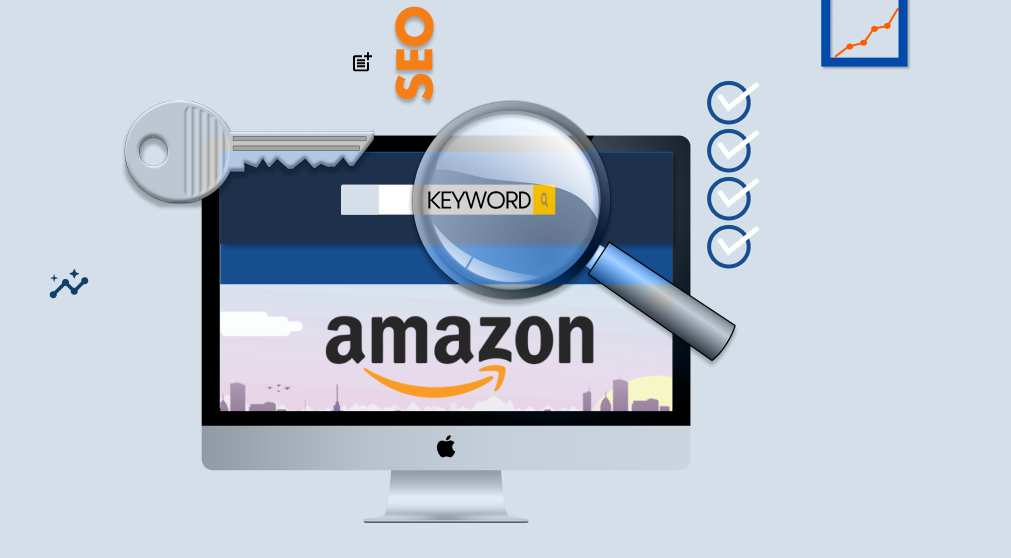
    In the ever-evolving landscape of online marketplaces, where a diverse array of sellers and buyers converge, mastering keyword research is not just an SEO tactic; it’s the secret weapon that unlocks explosive growth. As the battleground for brands and sellers shifts to these vibrant digital platforms, understanding the intricacies of keyword research becomes paramount for marketplace mastery.

    Understanding the Maze:

    Unlike traditional e-commerce, online marketplaces cater to a multitude of sellers and buyers with varied goals. Crafting detailed buyer personas is the key to unraveling the unique needs, search habits, and preferred language of your ideal customers. Aligning your keyword choices with these insights becomes the cornerstone of attracting the right shoppers to your virtual store.

    Keyword Essentials for Marketplace Masters:

    Know Your Audience: Know your audience inside out by crafting detailed buyer personas. Understand their needs, search habits, and language nuances. Aligning your keyword choices with their specific journeys and buying motivations ensures your content resonates effectively, capturing the attention of your ideal customers and guiding them toward conversion.

    Hit the Sweet Spot: Navigate the competitive online space by prioritizing keywords with a high search volume and manageable competition—this is the sweet spot for prime visibility. Tools like Helium 10ABA (Amazon Brand Analytics) are indispensable for uncovering these hidden gems. With strategic keyword selection, your content stands out, capturing attention amidst the digital noise and ensuring optimal visibility for your target audience.

    Long-Tail Treasures: Leverage the power of specific long-tail keywords, not only do they attract highly qualified leads further along in their buying journey, but they also offer a chance for lower competition, resulting in higher search rankings. Tools like Helium10 can help uncover these hidden gems.

    Competitor Analysis Mastery: In the pursuit of marketplace dominance, scrutinizing competitors becomes paramount. Dive deep into their top-ranking keywords. By identifying gaps and drawing lessons from their successes, you extract valuable insights. This strategic analysis not only refines your approach but unveils new keyword opportunities, allowing you to navigate the competitive landscape.

    Strategies for Marketplace Domination:

    Enhanced Visibility and Reach: Strategic incorporation of relevant keywords enhances content visibility and extends advertising reach, maximizing the impact of your campaigns.

    Content Gap Analysis: Analyze existing content to identify gaps and improve areas. Fill voids with targeted content that guides buyers seamlessly toward checkout, boosting conversions.

    Trendspotting Prowess: Stay ahead by monitoring industry trends and conversations within your marketplace community to identify emerging search terms.

    Arming Yourself with the Right Tools:

    Marketplace-specific tools: Utilize platform-specific tools like Amazon Seller Central’s Keyword Research Tool like ABA for valuable insights.

    Comprehensive suites: Opt for tools like Helium 10 or SEMrush for broader market analysis, competitor tracking, and keyword research across platforms.

    Becoming a pro at marketplace keyword research is an ongoing journey. Grasp who your customers are, employ smart strategies, and use the right tools to turn your online presence into a bustling hub of commerce. Crafting top-notch content tailored to relevant keywords and in sync with market trends is the key to unlocking success.

    Regularly reassess your keyword strategy, analyze performance data, and adjust to changing trends. By staying agile and relying on data, your marketplace will consistently attract both buyers and sellers. Embrace your inner keyword explorer, uncover those hidden search gems, and witness your marketplace thrive in the ever-evolving landscape of e-commerce!


     

    Introduction:

    In the ever-evolving landscape of online marketplaces, where a diverse array of sellers and buyers converge, mastering keyword research is not just an SEO tactic; it’s the secret weapon that unlocks explosive growth. As the battleground for brands and sellers shifts to these vibrant digital platforms, understanding the intricacies of keyword research becomes paramount for marketplace mastery.

    Understanding the Maze:

    Unlike traditional e-commerce, online marketplaces cater to a multitude of sellers and buyers with varied goals. Crafting detailed buyer personas is the key to unraveling the unique needs, search habits, and preferred language of your ideal customers. Aligning your keyword choices with these insights becomes the cornerstone of attracting the right shoppers to your virtual store.

    Keyword Essentials for Marketplace Masters:

    Know Your Audience: Know your audience inside out by crafting detailed buyer personas. Understand their needs, search habits, and language nuances. Aligning your keyword choices with their specific journeys and buying motivations ensures your content resonates effectively, capturing the attention of your ideal customers and guiding them toward conversion.

    Hit the Sweet Spot: Navigate the competitive online space by prioritizing keywords with a high search volume and manageable competition—this is the sweet spot for prime visibility. Tools like Helium 10ABA (Amazon Brand Analytics) are indispensable for uncovering these hidden gems. With strategic keyword selection, your content stands out, capturing attention amidst the digital noise and ensuring optimal visibility for your target audience.

    Long-Tail Treasures: Leverage the power of specific long-tail keywords, not only do they attract highly qualified leads further along in their buying journey, but they also offer a chance for lower competition, resulting in higher search rankings. Tools like Helium10 can help uncover these hidden gems.

    Competitor Analysis Mastery: In the pursuit of marketplace dominance, scrutinizing competitors becomes paramount. Dive deep into their top-ranking keywords. By identifying gaps and drawing lessons from their successes, you extract valuable insights. This strategic analysis not only refines your approach but unveils new keyword opportunities, allowing you to navigate the competitive landscape.

    Strategies for Marketplace Domination:

    Enhanced Visibility and Reach: Strategic incorporation of relevant keywords enhances content visibility and extends advertising reach, maximizing the impact of your campaigns.

    Content Gap Analysis: Analyze existing content to identify gaps and improve areas. Fill voids with targeted content that guides buyers seamlessly toward checkout, boosting conversions.

    Trendspotting Prowess: Stay ahead by monitoring industry trends and conversations within your marketplace community to identify emerging search terms.

    Arming Yourself with the Right Tools:

    Marketplace-specific tools: Utilize platform-specific tools like Amazon Seller Central’s Keyword Research Tool like ABA for valuable insights.

    Comprehensive suites: Opt for tools like Helium 10 or SEMrush for broader market analysis, competitor tracking, and keyword research across platforms.

    Becoming a pro at marketplace keyword research is an ongoing journey. Grasp who your customers are, employ smart strategies, and use the right tools to turn your online presence into a bustling hub of commerce. Crafting top-notch content tailored to relevant keywords and in sync with market trends is the key to unlocking success.

    Regularly reassess your keyword strategy, analyze performance data, and adjust to changing trends. By staying agile and relying on data, your marketplace will consistently attract both buyers and sellers. Embrace your inner keyword explorer, uncover those hidden search gems, and witness your marketplace thrive in the ever-evolving landscape of e-commerce!


  • 10 Common e-Commerce Challenges for 2022

    10 Common e-Commerce Challenges for 2022

    According to a report on eMarketer, e-commerce sales surged by almost 30% in India in 2020 due to the movement curbs and lockdowns imposed to contain COVID-19. But while the e-commerce sector is having its moment of glory and multiple forecasts for 2022 are highly promising, the industry is ripe with challenges.

    Here are 10 of the most common challenges e-commerce platforms should watch out for as we step into the new year-

    1. The User Experience Dilemma

    For the post-pandemic customers, it is all about the experience. Consumer expectations have skyrocketed, and they now expect every online store to offer an exceptional experience. Utilizing advanced technologies and tools to collect and use customer data can help take user experience to the next level.

    2. COD Preference

    A lot of people new to online shopping are still not very comfortable with online payments and prefer Cash on Delivery (COD). Collecting cash manually can be expensive, risky, and laborious for online sellers. Encouraging online payments through discounts, cashbacks, and rewards can be an effective solution to limit COD payments.

    3. Higher Returns

    According to a report by Gati, a leading logistics firm, 1 out of every 4 products purchased online is returned to the seller. Managing returns is again a lengthy process. Offering features like virtual try-on that utilizes VR (Virtual Reality) and AR (Augmented Reality) to help customers try a product virtually before buying can help reduce the number of returns.

    4. English Specific Platforms

    The majority of the online shopping platforms in India are English-specific. If online retailers want to improve their reach into the untapped rural market, adopting a multi-lingual approach focusing on local languages can help. This can assist e-commerce stores in reaching a wider audience and getting a competitive edge.

    5. Data Security

    Data security concerns are rising in India. A report on The Hindu Business Line suggests that 84% of Indian consumers are willing to pay more to do business with organizations committed to protecting data privacy. Adopting the latest security standards and taking adequate measures to protect user data can help build customer loyalty.

    6. Higher Visits, Lower Conversions

    Many online stores receive a lot of traffic and clicks, but the conversion rates are not up to the mark. Targeting the right audience, building a seamless online store (web, mobile, app), offering multiple payment options, and personalizing the platform are some of the ways that can help improve conversions.

    7. Choice Fatigue

    The renowned Jam Study, reviewed by Harvard here, suggests that offering consumers endless options is not always better. In other words, the lower the number of available options, the more likely a customer is to purchase something. Analyzing your competitors and offering unique products relevant to the target audience can help curb choice fatigue.

    8. Free Shipping

    Free shipping continues to be one of the biggest deciding factors among online shoppers in India. Many customers can abandon their carts if the online platform does not offer free shipping or if the shipping charges are too steep. Reworking your pricing model, choosing the right delivery partner, up-selling, and cross-selling are some ways to eliminate this challenge.

    9. Cut-throat Competition

    It is no secret that the e-commerce industry in India holds great potential. This also means that the competition in the sector is cut-throat, and it will only become more fierce in the future. Analyzing the strengths and weaknesses of your competitors and relying on professional digital marketers can help an online store boost its competitiveness.

    10. Customer Retention

    Customer retention is another severe problem for every e-commerce platform, irrespective of its size. Building customer loyalty can be very challenging when you have hundreds of competitors fighting for attention. Utilizing channels popular among the target customers and regularly engaging with them more personally can help build trust and loyalty.

    Growing Your e-Commerce Business in 2022

    While the e-commerce sector in India shows great potential, the growth is not up for grabs for any online store with the most extensive inventory or the biggest marketing budget. How an e-commerce platform deals with the common challenges determines its success and ability to keep up with customer expectations.

    To continue growing your online store in 2022, businesses can consider the expert assistance of a reputed digital marketing company. Experienced marketers who are well-versed with the industry challenges and trends can help platforms boost their market share, improve their sales, achieve newer heights. 

  • Future e-Commerce Trends to Watch Out for in India

    Future e-Commerce Trends to Watch Out for in India

    The COVID-19 pandemic significantly impacted the day-to-day operations of businesses across sectors, not just in India but throughout the world. Many of them were forced to temporarily halt their operations, while a few even had to shut permanently.

    However, the pandemic proved to be an inflection point for the Indian e-commerce industry.

    COVID-19 and Indian e-Commerce Sector

    The pandemic and lockdowns disrupted how people shop and how e-commerce is perceived in the country. According to the 2021 Global Payments Report by Worldpay FIS, the e-commerce industry in India is expected to grow 84% to $111 billion by 2024, fuelled by the demand created by the pandemic.

    What can online retailers do to benefit from the growing demand? Updating their operations according to future trends can be an effective way to attract more customers and boost sales. While it can be challenging to predict the future, here are 3 trends that will probably play an integral role in shaping the future of e-commerce in India-

    1. The Rise of Content-Driven Marketing

    Online marketplaces are only expected to become more cluttered and competitive in the future. A powerful content-driven marketing strategy could help brands stand apart from the crowd. In simple words, content-driven marketing is all about creating and publishing relevant, valuable, and consistent content for attracting and retaining the targeted audience.

    As the marketing strategy enables businesses to have meaningful interactions with a clearly defined audience, it can help improve demand generation and convert top-funnel leads into brand advocates.

    2. Sell on Social Media

    Social commerce or social shopping is the process of selling products directly on popular social networking platforms. According to a recent report, social commerce is expected to surpass $16-20 billion in India by 2025. The rising number of social media users in the country is one of the biggest drivers of this trend.

    Platforms like Facebook and Instagram have already launched services that allow brands to sell their products and services directly through their platforms, eliminating the need for the customers to visit brand websites to make the purchase.

    3. Offer Voice Shopping

    Voice ordering or voice shopping is also expected to make a big splash in the Indian e-commerce industry. Apart from being a more convenient alternative to text-based product search and shopping, voice-based technologies enable faster checkout, reduce screen time, and make it easier for the customers to provide feedback to the businesses they deal with.

    Walmart-backed Flipkart has already launched a voice assistant for grocery shopping in Hindi and English. Amazon India is also expected to launch voice shopping in Hindi soon to reach a wider audience.

    Future of e-Commerce in India

    While e-commerce is expected to grow by leaps and bounds in India, the sector is also likely to witness hyper-competition like no other. Adopting the latest trends and implementing cutting-edge technologies is the only way for online retailers and brands to future-proof their operations.

    A reputed digital marketing company can help brands discover such disruptive trends that have the potential to significantly alter the e-commerce landscape. The first-mover advantage of adopting the e-commerce trends of the future can help brands attract more customers, fulfil the changing consumer expectations, and generate more revenue.