LS Staging

Tag: AI

  • Weekend Digital Media Round-Up: From Local to National: How sellers from small towns are transforming India’s e-commerce with Qikink, Gen Z, luxury and the undeniable pull of ‘interestingness’, How To Reach People At The Right Time With Personalization Strategies& More….

    Weekend Digital Media Round-Up: From Local to National: How sellers from small towns are transforming India’s e-commerce with Qikink, Gen Z, luxury and the undeniable pull of ‘interestingness’, How To Reach People At The Right Time With Personalization Strategies& More….

    1.From Local to National: How sellers from small towns are transforming India’s e-commerce with Qikink

    Small-town sellers are transforming India’s e-commerce by leveraging innovative business models like Print On Demand and Dropshipping. Their unique products and cultural influences are reshaping the online marketplace and demonstrating the national impact of local ideas [Source: Zeebiz]

    2. Gen Z, luxury and the undeniable pull of ‘interestingness’

    Gen Z is reshaping luxury marketing by valuing “interestingness” over traditional ads. Luxury brands must create engaging, authentic content to capture their attention [Source:  The Drum]

    3. How To Reach People At The Right Time With Personalization Strategies

    Consumers expect personalized experiences, with 71% valuing recognition and tailored interactions. Hyper-personalization, driven by AI, is transforming customer engagement across various sectors. Businesses must continuously innovate their personalization strategies to stay competitive and foster customer loyalty. [Source: Forbes]

    4. How SMB Leaders Can Pursue Digital Transformation—And Stay Ahead Technologically

    Small and medium-sized businesses (SMBs) often struggle with digital transformation due to limited budgets, staffing, and time resources. Despite these challenges, pursuing digital transformation is crucial for staying competitive and meeting customer demands. SMBs can achieve digital maturity by focusing on high-impact digital investments and leveraging existing resources effectively. [Source: Forbes]

    5. Navigating digital transformation: the pivotal role of the Chief Data Officer

    Organizations face a complex landscape for digital transformation, influenced by technological advances, economic uncertainty, and geopolitical challenges. Chief Data Officers (CDOs) play a crucial role in aligning data management with strategic goals, leveraging AI and collaboration. Effective digital transformation requires a blend of advanced technology, robust data practices, and strong collaboration. [Source: Tech Radar]

    6. Programmatic in the real world: trends helping advertisers differentiate in 2025

    Programmatic out-of-home (OOH) advertising is evolving from a tactical add-on to a strategic pillar in media planning, driven by data-driven targeting and creative innovation. Agencies are leveraging proprietary data and new creative capabilities to deliver high-value campaigns. The combination of precision and creativity in programmatic OOH offers a competitive edge for advertisers and agencies. [Source: The Drum]

    7. Mobile-first indexing: Everything you need to know

    Mobile-first indexing is crucial for search visibility as Google now prioritizes mobile-friendly sites for indexing and ranking. Key practices include optimizing mobile performance, ensuring content parity, and maintaining technical SEO elements. Regular testing and monitoring are essential to adapt to evolving user behavior and maintain search rankings. [Source: Search Engine Land]

    8. Optimizing LLMs for B2B SEO: An overview

    Optimizing LLMs for B2B SEO involves understanding user intent and creating content that directly answers conversational queries. Key strategies include semantic SEO, technical SEO, and authority building through structured data and credible backlinks. Continuous testing and adaptation are essential to stay ahead in the evolving search landscape. [Source: Search Engine Land]

    9. AI in 2025: Five trends for marketing, media, enterprise and e-commerce

    AI advancements in 2025 will drive significant changes in marketing, media, and e-commerce. Companies are expanding AI content creation, improving workflows, and deploying AI agents for better performance. Key trends include generative AI, social commerce, and immersive technologies like AR and VR. [Source: DigiDay]

    10. From Creativity To Compliance: The Digital Shift Of 2025

    Marketers and creatives face increased pressure to deliver more content quickly, making AI and digital asset management (DAM) systems essential. Healthcare organizations are adopting DAM tools to manage content efficiently and comply with regulations. Cybersecurity and content authenticity are becoming priorities across industries, with AI assistants and self-regulation leading the way. [Source: Forbes]
  • AI vs. Traditional SEO: Is Your B2B Marketing Strategy Ready for the Shift?

    AI vs. Traditional SEO: Is Your B2B Marketing Strategy Ready for the Shift?

    Search is evolving faster than ever. With tools like ChatGPT, Google Gemini, and Perplexity leading the way, search engines are no longer about matching keywords to queries—they’re about understanding intent, context, and delivering meaningful answers.

    For B2B marketers, this evolution signals one thing: Adapt or fall behind.


    The Changing Face of SEO

    Traditional SEO, built on keywords and backlinks, is facing a challenger in AI-driven search. LLMs (Large Language Models) like ChatGPT interpret complex, conversational queries, providing responses that feel more human and relevant.

    But this does not mean giants like Google and Bing are stepping aside. Instead, they are evolving alongside these tools. For B2B marketers, the real opportunity lies in embracing this transformation and creating strategies that align with both traditional and AI-enhanced search engines.


    Harnessing the Power of AI in B2B Marketing

    AI tools like ChatGPT, Gemini, and Perplexity are not just disrupting search, they are opening new doors for B2B marketers. Here’s how:

    ChatGPT

    • Generate high-quality, intent-driven content that resonates with your audience.
    • Build conversational chatbots and FAQs that enhance engagement and user experience.


    Google’s Gemini

    • Optimise for AI-enhanced search rankings with content tailored to how Gemini processes queries.
    • Refine SEM campaigns using Gemini’s AI insights for smarter targeting.


    Perplexity

    • Craft content that answers nuanced, context-driven questions for deeper relevance.
    • Enhance discoverability by structuring content to align with Perplexity’s advanced search algorithms.


    Evolving Your SEO Strategy: Practical Steps

    Here’s how B2B marketers can stay ahead:

    1. Focus on Intent, Not Just Keywords: Understand the “why” behind user queries and craft content to meet that need.
    2. Create Conversational Content: Use AI tools to produce natural, engaging, and conversational copy.
    3. Embrace Voice Search: Optimise for natural language queries and featured snippets as voice search adoption grows.
    4. Leverage AI for Efficiency: Streamline content creation and optimisation with tools like ChatGPT and Gemini.
    5. Stay Agile: Monitor AI-driven algorithm updates to adjust your strategies in real time.


    Looking Ahead: The Future of SEO in an AI-Driven World

    The rise of AI in search does not mean traditional SEO is dead, it is being redefined. As B2B marketers, the key is to evolve alongside these changes. Build content strategies that are user-focused, contextually rich, and tailored for a world where search is increasingly intelligent.

    Will AI take over traditional search? Or will it complement the giants like Google and Bing? The answer lies in how we adapt.

    What’s your take on AI’s role in the future of search? Let’s discuss in the comments.

  • Leveraging AI Tools for Predictive Marketing in 2025

    Leveraging AI Tools for Predictive Marketing in 2025

    As we approach 2025, the marketing landscape is being dramatically reshaped by the rise of Artificial Intelligence (AI). For marketers and businesses, AI is no longer a futuristic concept but an indispensable tool for gaining a competitive edge. From automating repetitive tasks to providing insights that drive deeper personalization, AI tools are making marketing more efficient, targeted, and results-driven. But the real game-changer? Predictive marketing.

    In 2025, predictive marketing will move from being an exciting idea to a must-have strategy. With AI’s capabilities, marketers can anticipate customer needs, fine-tune campaigns in real-time, and offer hyper-personalized experiences that foster loyalty and boost conversions. Interestingly, an IBM survey recently unveiled that 67% of CMOs are already planning to integrate generative AI into their operations within the next 12 months, with expectations that 86% of businesses will adopt AI tools by 2027. The message is clear: to stay competitive, businesses must fully leverage AI’s potential.

    So, what AI tools should marketers focus on in 2025 to transform the way they engage with customers?


    1. Predictive Analytics Platforms

    One of the most powerful AI tools marketers can leverage in 2025 is predictive analytics platforms. These platforms use vast amounts of data to identify patterns and forecast future behavior, enabling brands to predict customer needs before they even arise. By analyzing browsing habits, purchase histories, and engagement data, AI-powered analytics tools can generate insights that inform marketing strategies with precision.

    For example, tools like Google’s Analytics Intelligence or HubSpot’s AI-driven Insights help brands understand customer journeys in granular detail. They offer forecasts on customer lifetime value, churn rates, and even what products a customer is most likely to purchase next. This kind of foresight allows marketers to anticipate trends, adjust campaigns proactively, and ensure they’re reaching customers at exactly the right moment, with the right message.


    2. AI-Driven Content Creation and Personalization

    Content continues to be king, but with AI, content creation has become faster, smarter, and more personalized than ever before. AI tools can now generate dynamic content tailored to individual preferences, making each customer interaction feel uniquely crafted.

    In 2025, tools like Jasper AI or Writesonic will help brands craft high-quality content that aligns with customer interests, at scale. But it’s not just about content creation—optimization is equally crucial. Tools such as Persado can analyze language and tone to ensure that the content emotionally resonates with the audience, while MarketMuse can help tailor content for SEO, ensuring maximum visibility and engagement.

    This level of personalization goes beyond basic demographic targeting, allowing marketers to deliver content that speaks directly to the individual’s preferences, motivations, and emotional triggers.


    3. Chatbots and Conversational AI

    AI-driven chatbots are not new, but in 2025, we’ll see a surge in their capabilities, making them indispensable for customer engagement. These bots have evolved from simply answering FAQs to managing complex customer interactions, providing personalized product recommendations, and even driving conversions.

    Advanced AI tools like Drift or Intercom use machine learning to have smarter, more human-like conversations, which improve with every interaction. These chatbots can seamlessly guide a customer through the buying process, offer support, or even anticipate questions based on previous interactions. As conversational AI becomes more intuitive, brands will be able to offer 24/7 customer service that feels personal, efficient, and in real-time.

    The integration of chatbots into marketing funnels will enable businesses to engage with customers across multiple touchpoints, keeping them informed and connected throughout their journey.


    4. Augmented Reality (AR) and Virtual Reality (VR)

    AI is also taking marketing into a new dimension—literally—with the rise of Augmented Reality (AR) and Virtual Reality (VR) experiences. In 2025, these immersive technologies will allow brands to create deeper engagement with customers by offering virtual experiences that showcase products, services, or even entire worlds.

    For example, retailers will use AR for virtual try-ons, allowing customers to “wear” clothes or accessories before buying. Beauty brands can let customers apply virtual makeup, and real estate companies can offer virtual tours of properties. Tools like Zakeke and Blippar are already leading the charge, offering interactive AR and VR experiences that bring brands closer to consumers.

    AR and VR are not just fun gimmicks—they offer new ways to convert consumer interest into action, shortening the decision-making process and creating memorable interactions that strengthen brand loyalty.


    5. Social Listening and Sentiment Analysis Tools

    Understanding how customers feel about your brand is critical, and in 2025, AI tools for social listening and sentiment analysis will become more refined. These tools allow marketers to track and analyze real-time conversations happening across social media, forums, and other online platforms to gauge customer sentiment, identify trends, and measure brand perception.

    AI-driven tools like Brandwatch or Sprinklr analyze millions of online conversations to provide insights into what customers are talking about, how they feel about certain topics or products, and what’s influencing their decisions. In the fast-paced world of social media, these tools will help marketers react quickly to trends, identify PR opportunities (or crises), and adjust messaging to better align with consumer sentiment.

    6. Programmatic Advertising Platforms

    Programmatic advertising has been around for a while, but AI is taking it to a new level in 2025. With AI, programmatic advertising platforms can analyze huge amounts of data in real-time, adjusting ad placements, targeting, and bidding strategies automatically to ensure maximum efficiency.

    Platforms like The Trade Desk and AdRoll use machine learning algorithms to continuously optimize ad spend, ensuring that the right ads are shown to the right audiences at the right time. AI enhances the effectiveness of these campaigns by predicting which users are most likely to convert, allowing brands to achieve better ROI on their advertising efforts.


    Final Thoughts

    In 2025, the use of AI tools in predictive marketing won’t just be about optimizing efficiency—it will be about redefining the customer experience. AI is empowering marketers to deliver hyper-personalized, predictive campaigns that meet customers where they are, with exactly what they need, at precisely the right time. The tools discussed above, ranging from predictive analytics and content automation to AR and programmatic advertising, are just the tip of the iceberg. The key to success will be not only adopting these technologies but integrating them seamlessly into a cohesive marketing strategy.

  • How AI-Powered Dynamic Pricing is Changing the E-commerce Landscape

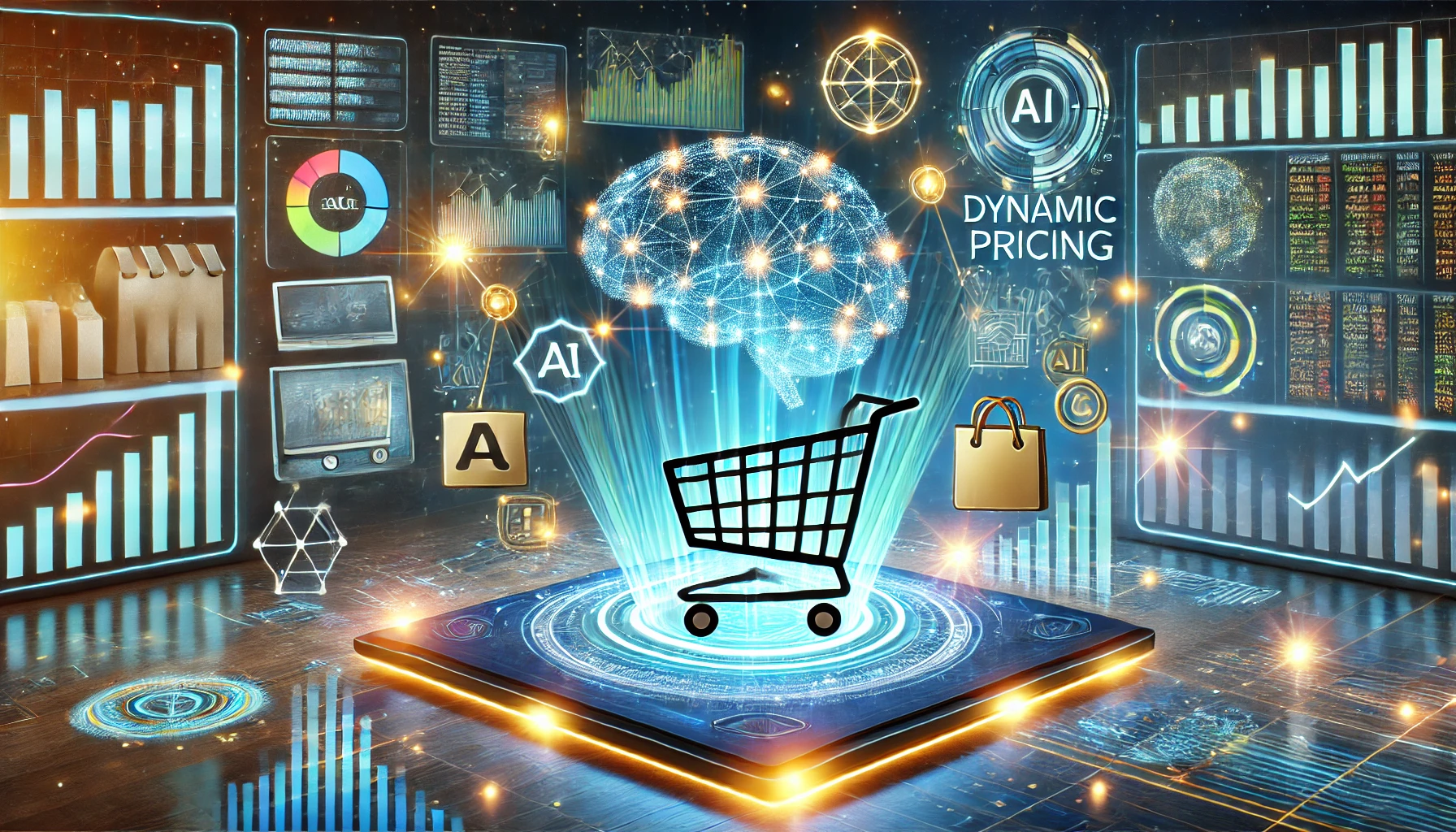
    How AI-Powered Dynamic Pricing is Changing the E-commerce Landscape

    As the AI revolution sweeps across industries worldwide with its seemingly limitless applications, the e-commerce industry stands out as one experiencing some of the most profound and tangible impacts. Every single aspect of an ecommerce business, right from creating the right brand name, logo, and website, to managing inventory, processing orders, and running marketing campaigns is now optimizable through AI.

    There are some extremely powerful AI tools now available which can help a person achieve their e-commerce business goals with minimal time and effort. Picture this: you want to get organic traffic on your website but don’t want to hire an SEO agency to do so? Well, AI tools like ChatGPT, Claude, and Perplexity can not only help you research topics, but will also craft detailed SEO content for you, which will optimize your efforts.

    However, despite using the power of AI tools to create a seamless brand experience for consumers across every stage of the purchase decision, the final consideration still hinges on one important factor: Price. This is particularly true in the case of Indian consumers and is also a major factor for consumers across the globe. Without the right price, all the marketing efforts a brand employs will bear no fruit, simply because it has the most tangible impact in a customer’s purchase journey. Thankfully, AI has an answer to that as well.

    Enter: Dynamic Pricing. AI-powered dynamic pricing helps e-commerce businesses adjust their prices in real-time, based on factors such as demand, competition, consumer behaviour, and many more. This AI-driven dynamic pricing not only helps brands provide tailored prices to each customer, but also improves customer satisfaction, market competitiveness, while also building brand awareness and salience.


    Understanding dynamic pricing: 

    Dynamic pricing is a strategy where prices of a particular product are tweaked in real-time in response to market conditions. Unlike static pricing, where prices need to be adjusted manually, dynamic pricing is an automated process which allows businesses to adapt their prices based on real-time data analysis. Some key factors influencing dynamic pricing are:

    Supply and Demand: Prices can increase when inventory is low

    Competitive pricing: Monitoring competitors’ prices and adjusting accordingly can be a good strategy to stay competitive.

    Customer behaviour: Insights into purchasing patterns enable personalized pricing strategies.


    The Intelligence Behind Price Tags

    At the heart of modern dynamic pricing lies a complex web of artificial intelligence systems that work tirelessly to optimize pricing strategies. These systems process vast amounts of data, from local festival schedules to weather patterns, creating a comprehensive understanding of market dynamics. In the Indian context, this means tracking competitor prices across platforms like Flipkart, Amazon India, and JioMart, while also considering local market conditions and regional preferences that make each state and city unique.

    The predictive capabilities of these AI systems extend far beyond simple competitor analysis. By analysing historical data, these systems can anticipate demand surges during significant events like Diwali or wedding seasons. In a country where weather patterns vary dramatically from region to region, these systems also factor in seasonal changes to adjust pricing strategies accordingly. Social media trends and local events are woven into the pricing fabric, ensuring that prices reflect not just market conditions but cultural moments as well.

    Perhaps most importantly, these systems understand the diverse nature of Indian consumers. From price-sensitive shoppers in tier-3 cities to premium urban consumers, AI-powered pricing engines create sophisticated segmentation strategies. This understanding translates into personalized pricing approaches that consider factors like customer loyalty, first-time purchases, and regional purchasing power.


    Impact on Indian Business Landscape

    The implementation of AI-powered pricing has transformed business outcomes across India’s retail sector. Companies consistently report significant profit increases, often ranging from 15% to 25%. This improvement comes not just from better pricing strategies but from more efficient inventory management and reduced wastage – particularly crucial in India’s tropical climate where perishable goods require careful handling.

    The system’s ability to adapt to market conditions has proven invaluable during India’s numerous festivals and local celebrations. Whether it’s Durga Puja in Bengal or Pongal in Tamil Nadu, retailers can now adjust their pricing strategies to reflect local demand patterns and cultural preferences. This regional sensitivity has helped businesses maintain competitive positions while respecting local market dynamics.


    Navigating Challenges in the Indian Market

    The implementation of dynamic pricing in India faces unique challenges rooted in cultural and technological realities. Price sensitivity varies significantly across regions, and the traditional bargaining culture remains strong in many parts of the country. Building trust in automated pricing systems requires careful communication and transparency, particularly in markets where personal relationships have historically driven business transactions.

    Technical challenges persist, particularly in tier-2 and tier-3 cities where internet connectivity can be inconsistent. Many businesses still operate with legacy systems that require significant upgrades to implement dynamic pricing effectively. Data quality and availability also remain concerns, particularly for smaller businesses entering the digital ecosystem.


    A Glimpse at the Future

    The future of dynamic pricing in India is closely tied to the country’s digital payment revolution. Integration with UPI and other digital payment systems opens new possibilities for real-time pricing adjustments based on payment methods. The government’s ONDC (Open Network for Digital Commerce) initiative promises to create new opportunities for implementing dynamic pricing across a unified digital marketplace.

    As India’s retail landscape continues to evolve, we’re seeing the emergence of hyperlocal pricing strategies that consider micro-market dynamics. These systems are becoming increasingly sophisticated in their ability to understand and respond to community-specific needs, including communication in local languages and consideration of regional economic factors.

    The story of AI-powered dynamic pricing in India is more than just a technological advancement – it’s a testament to the country’s ability to adapt global innovations to local needs. Through real-time data analysis and predictive analytics, companies across India are optimizing their pricing strategies to enhance profitability while maintaining customer satisfaction. This revolution is enabling businesses to respond swiftly and effectively to market changes, a crucial capability in India’s diverse and dynamic marketplace.

    As India continues its digital transformation, these systems will play an increasingly important role in creating a more efficient, responsive, and inclusive retail environment. The future lies in finding the perfect balance between technological advancement and cultural sensitivity, between profit optimization and customer satisfaction. With more businesses adopting these technologies, the competitive landscape continues to evolve, making dynamic pricing not just an option but an essential strategy for success in India’s digital marketplace. This balance will be crucial as India’s retail sector continues to grow and evolve, setting new standards for how technology can be adapted to serve one of the world’s most diverse and complex markets.

  • The Role of AI in Hyper-Personalized Customer Journeys

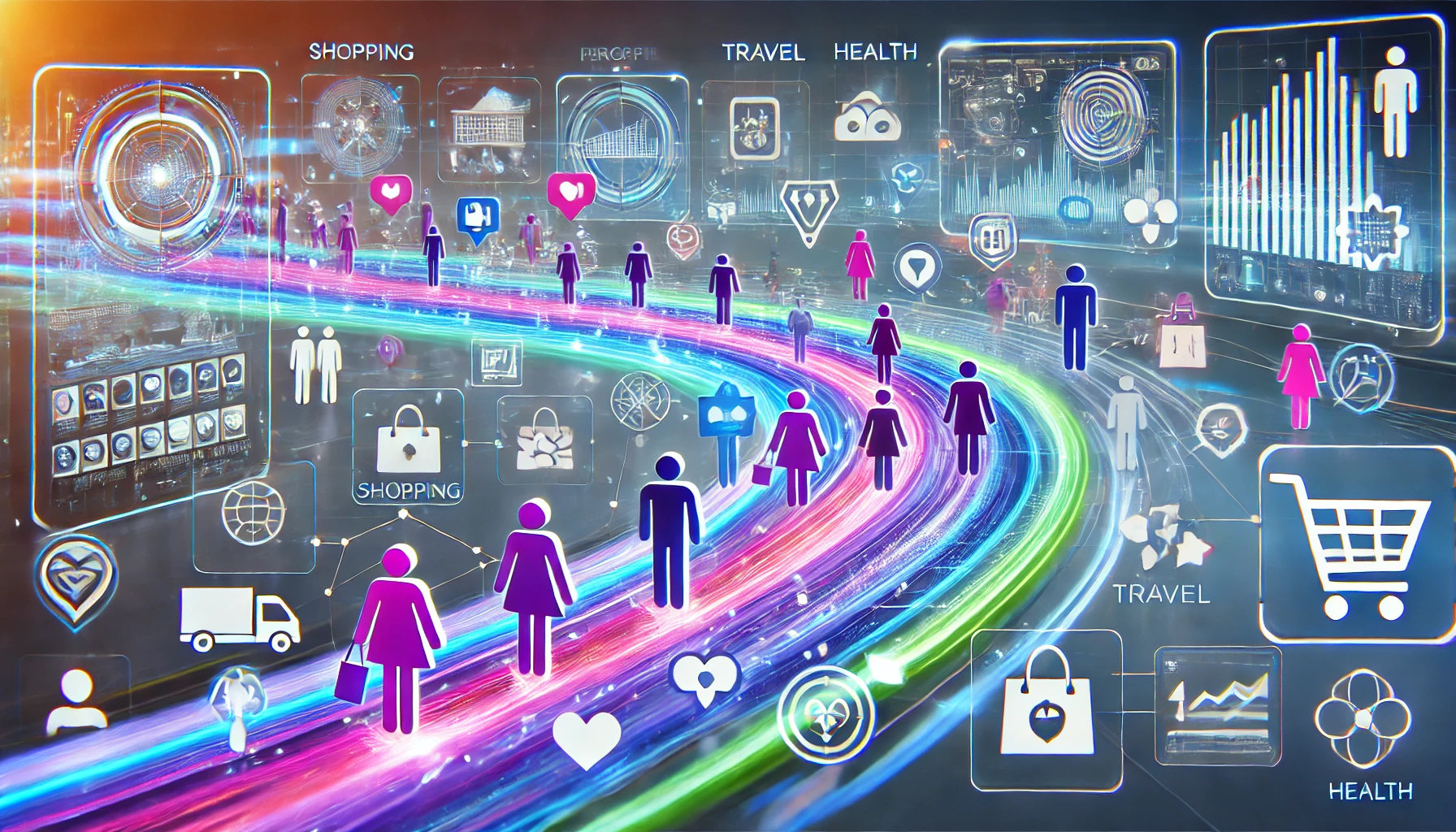
    The Role of AI in Hyper-Personalized Customer Journeys

    In today’s fast-paced digital world, creating an outstanding customer experience isn’t just a nice-to-have—it’s a game-changer. We’ve all been there: scrolling through endless products or services, feeling lost in a sea of options. That’s where the magic of hyper-personalization and AI-powered customer journeys comes in.

    What’s Hyper-Personalization All About? 

    Think of hyper-personalization as your digital concierge. It’s like having a friend who knows your tastes perfectly, always ready with spot-on recommendations. By tapping into AI and machine learning, businesses can craft experiences that feel tailor-made for each person. It’s not just about putting your name in an email anymore—it’s about understanding your unique preferences and needs at every step of your customer journey.

    But let’s dive deeper. Hyper-personalization is about creating a 360-degree view of each customer. It’s about understanding not just what they’ve bought, but why they bought it, when they’re most likely to shop, and even predicting what they might need next. This level of insight allows businesses to create truly meaningful interactions that resonate on a personal level.

    Imagine walking into a store where the staff knows exactly what you’re looking for before you even ask. Now, translate that experience to the digital world. That’s the power of hyper-personalization. It’s about creating digital experiences that are so intuitive and relevant that customers feel truly understood and valued.

    The Secret Sauce: AI and Your Customer Journey

    AI is the wizard behind the curtain, making hyper-personalization possible at scale. Imagine millions of tiny decisions being made in real-time, all to make your experience smoother and more enjoyable. From suggesting your next favourite product to offering help right when you need it, AI is working tirelessly to anticipate your needs.

    Here’s how AI is reshaping the customer journey:

    • Smart recommendations that feel like they’re reading your mind
    • Prices and offers that adjust to match your shopping style
    • Friendly chatbots that are always there to lend a hand
    • Seamless experiences whether you’re shopping online or in-store


    The beauty of AI in the customer journey is its ability to make every interaction feel personal, even when it’s serving millions of people at once. It’s like having a personal shopper who’s always on call, helping you navigate your unique path while staying true to the brand’s story.

    But it’s not just about making sales. AI-powered customer journeys are about building relationships. They’re about understanding the context of each interaction and responding in a way that adds value. For instance, AI can analyze past purchases, browsing history, and even social media activity to predict when a customer might need a refill on their favorite product, or when they might be in the market for a complementary item.

    Moreover, AI can help businesses understand the emotional context of customer interactions. By analyzing sentiment in customer communications, AI can help tailor responses that are not just factually correct, but emotionally appropriate. This level of emotional intelligence in digital interactions can significantly enhance customer satisfaction and loyalty.

    Taking Your First Steps into Hyper-Personalization

    Ready to dive in? Start by getting to know your customers better. Collect those valuable nuggets of information that make each person unique. Then, craft content that speaks directly to them at every stage of their journey with your brand.

    Remember, consistency is key. Whether they’re checking their email, browsing your website, or using your app, make sure the experience feels seamless and tailored just for them. And don’t forget to leverage a robust digital platform that can bring all these personalized touches together seamlessly.

    But where do you begin? Start by auditing your current data collection practices. Are you gathering the right information? Are you using it effectively? Consider implementing a Customer Data Platform (CDP) to unify data from various sources and create comprehensive customer profiles.

    Next, focus on creating dynamic content. This could be anything from personalized product recommendations to customized email content. The key is to use your data to inform these personalization efforts. For instance, if you know a customer frequently browses running shoes, don’t just show them any athletic wear—prioritize running-related products and content

    Don’t forget about the power of testing and learning. A/B testing different personalization strategies can help you refine your approach and understand what resonates best with your audience. Remember, personalization is an ongoing process, not a one-time implementation.


    The Perks of Getting Personal

    Companies that embrace hyper-personalization are seeing some pretty sweet results:

    • Smoother sales journeys that keep customers engaged
    • More new faces becoming loyal fans
    • Staying one step ahead of what customers want
    • Better conversion rates and happier, long-term customers


    But the benefits go beyond just numbers. Hyper-personalization can lead to increased customer trust and brand affinity. When customers feel understood and valued, they’re more likely to develop a strong emotional connection with your brand. This emotional connection is what turns one-time buyers into lifelong customers and brand advocates.

    Moreover, hyper-personalization can lead to operational efficiencies. By understanding customer needs and behaviours, businesses can optimize their inventory, streamline their marketing efforts, and even inform product development. It’s about working smarter, not harder.

    As we continue to navigate this ever-changing digital landscape, adopting an AI-powered approach to hyper-personalization isn’t just smart—it’s essential. By harnessing the power of data and AI to create truly unique experiences, businesses can forge meaningful connections, fuel growth, and stay ahead of the pack.

    So, are you ready to take your customer relationships to the next level with hyper-personalization and AI-enhanced customer journeys? Your customers are waiting for experiences that feel like they were made just for them. It’s time to deliver.

    Remember, the journey to hyper-personalization is a marathon, not a sprint. It requires ongoing commitment, continuous learning, and a willingness to evolve with your customers’ needs. But for businesses willing to make the investment, the rewards can be transformative. Not just in terms of revenue and customer satisfaction, but in creating a brand that truly resonates in today’s digital-first world.

  • Weekend Digital Media Round-Up: Google unveils strategies for effective internal linking, Paris Olympics 2024: How AI is transforming this historic sporting event, Navigating A Cookieless Future: PPC Strategies For Privacy-First World & More….

    Weekend Digital Media Round-Up: Google unveils strategies for effective internal linking, Paris Olympics 2024: How AI is transforming this historic sporting event, Navigating A Cookieless Future: PPC Strategies For Privacy-First World & More….

    <a
    1. Google unveils strategies for effective internal linking

    Google recently unveiled three key strategies to improve SEO and user experience through the effective implementation of internal links. [Source: Digital Marketing News]

    <a
    2. Paris Olympics 2024: How AI is transforming this historic sporting event

    The Paris Olympics 2024 are showcasing advanced AI technology to enhance talent identification and real-time performance analysis. This innovation is making the games more inclusive and offering fans immersive experiences. [Source: Business Today]

    <a
    3. Navigating A Cookieless Future: PPC Strategies For Privacy-First World

    Adapt your advertising techniques in response to changing privacy laws and the phasing out of third-party cookies. [Source: Search Engine Journal]

    <a
    4. Meta’s Developing ‘Business AIs’ to Enhance Transactional Engagement

    Meta CEO Mark Zuckerberg discussed a future application of AI chatbots built by individual businesses, that would facilitate faster ordering and customized engagement, powered by increasingly adaptive and intelligent AI tools. [Source: Social Media Today]

    <a
    5. AI and the Human Touch: Mastering the Balance in Customer Service

    While artificial intelligence (AI) has revolutionized the way businesses interact with their customers, the human touch remains an irreplaceable element in delivering exceptional service. [Source: CMS Wire]

    <a
    6. The Data Privacy Toolkit: First Steps Toward a Privacy-Centric Future

    Although everyone is telling marketers that data privacy needs to be their focus, it can be difficult for them to know where to start. The main thing to keep in mind is that this shift isn’t coming from marketers or the big tech companies — it’s coming from consumers, so we need to adapt our strategies with them in mind. [Source: CMS Wire]

    <a
    7. Unifying gen X, Y, Z and boomers: The overlooked secret to AI success

    One critical (yet oftentimes overlooked) facet to gen AI success is the people behind the technology in these projects and the dynamics that exist between them. To derive maximum value from the technology, organizations should form teams that combine the domain-specific knowledge of AI-native talent with the practical, hands-on experience of IT veterans. [Source: Venture Beat]

    <a
    8. Build a Direct Connection to Consumers With Audio Advertising

    Technology is changing this, making now the perfect time for agencies to embrace audio and integrate it into their client’s media strategy. [Source: Adweek]

    9. Google Abandons Plan to Phase Out Tracking Cookies

    Google has now announced that it won’t actually be retiring cookies after all. [Source: Social Media Today]

    10. From the Super Bowl to the Olympics, AI companies are spending more on AI-related advertising

    Companies spent more than $107 million on ads marketing AI-related products and services in the first half of 2024, more than 19 times the $5.6 million total spent in the same period last year. [Source: Digi Day]

  • Weekend Digital Media Round-Up: Bing’s Updated AI Search Will Make Site Owners Happy, Leveraging fleeting trends: SEO’s edge in digital branding, Mastering SEO in the AI era: Brand power, content excellence, and digital flexibility & More….

    Weekend Digital Media Round-Up: Bing’s Updated AI Search Will Make Site Owners Happy, Leveraging fleeting trends: SEO’s edge in digital branding, Mastering SEO in the AI era: Brand power, content excellence, and digital flexibility & More….

    1.Bing’s Updated AI Search Will Make Site Owners Happy

    Bing is rolling out a new version of Generative Search that displays information in an intuitive way that encourages exploration but also prioritizes clicks from the search results to websites. [Source: Search Engine Journal]

    2. Leveraging fleeting trends: SEO’s edge in digital branding

    Brands can leverage fleeting trends to increase their reach using a strategy focused on Search Engine Optimization (SEO). This maximizes visibility, differentiates content and appeals to larger demographics. [Source: Digital Marketing News]

    3. Mastering SEO in the AI era: Brand power, content excellence, and digital flexibility

    The rapid evolution of digital trends and algorithms necessitates digital flexibility as the cornerstone of modern SEO practices. An effective SEO strategy should embrace change and seek to refine its approach based on data-driven insights. [Source: Digital Marketing News]

    4. AI in the Workplace: Transforming Customer and Employee Experience

    As organizations aim to boost productivity, engagement and overall satisfaction, AI technologies are becoming essential tools. [Source: CMS Wire]

    5. 5 UX Trends to Watch This Year

    As business leaders recognize that human-centered, ultra-personalized digital experiences are in high demand, UX design is coming into the spotlight like never before. Enterprises instinctively understand the importance of optimizing how customers interact with their brand. [Source: CMS Wire]

    6. How advertisers are moving from cookies to a multi-ID landscape

    Even though Google has delayed its cookie deprecation plans (again), there will eventually come a day when the Chrome browser no longer supports third-party cookies.  [Source: Digiday]

    7. Data strategies for unlocking customer lifetime value

    Discover how predictive analytics and AI convert raw data into actionable insights, eliminate data noise and forecast emerging trends. [Source: Search Engine Land]

    8. How hyper personalization can radically transform customer journeys

    Companies are striving to offer hyper-personalized and frictionless experiences to meet the ever-evolving expectations of their customers. This approach not only enhances customer satisfaction but also drives loyalty and business growth. [Source: Economic Times]

    9. 5 Marketing Trends Shaping the Paris 2024 Olympics

    NBCUniversal has made it clear that the Paris 2024 Summer Olympic Games, which take place July 26 through Aug. 11, won’t be business as usual for the broadcaster. The company is bringing in teams of celebrities—including Jimmy Fallon, Snoop Dogg, Call Her Daddy’s Alex Cooper and even artificial-intelligence-generated broadcasters—to entice fans to tune in. [Source: AdWeek]

    10. Build a Direct Connection to Consumers with Audio Advertising

    Audio has long been a powerful storytelling tool, connecting brands with consumers in engaging ways. However, agencies and brands have yet to go all-in on audio’s potential. [Source: AdWeek]

  • Branding in Transition: Top 4 Challenges for Marketers in 2024

    Branding in Transition: Top 4 Challenges for Marketers in 2024

    The fast-paced world of marketing presents brands and marketers with a host of challenges. As the industry is in a constant state of evolution, adaptability and innovation become indispensable traits for success. More often than not, it’s the ability to swiftly pivot strategies in response to emerging challenges that truly distinguishes the market leaders from the rest.

    In this article, let’s explore the top 4 challenges marketers are currently facing along with strategies to resolve them-

    1.AI: A Boon or Bane?

    According to an IBM report, 59% of enterprises in India have actively deployed AI.

    Leveraging AI tools for personalized customer experiences, predictive analytics, and targeted advertising offers unprecedented opportunities for digital engagement and growth.

    However, ensuring data privacy, mitigating algorithm biases, and fostering transparency are crucial. AI and automation also face challenges in fostering trust and authenticity.

    The Solution?

    • Prioritize data privacy and security measures to protect consumer information.
    • Integrated solutions like streamline planning, execution, and optimization of digital marketing campaigns.
    • Combination of media, measurement, and technology for efficient campaign management

    2.Mounting Competition in the Digital Realm

    In 2023, the market size of digital marketing in India was $5.15 billion. Between 2024-2032,the industry is expected to grow at a CAGR of 30.2% to surpass $55.37 billion by 2023.

    Gone are the days when only a handful of brands knew how to crack the digital landscape. In 2024, even small businesses leverage digital strategies like SEO, content marketing, social media, and paid advertising.

    The rising competition within the digital space has made it challenging for brands to differentiate themselves and gain visibility.

    The Solution?

    • Identify and emphasize your brand’s unique selling points that set you apart from the competition.
    • Utilize data-driven insights to tailor marketing initiatives and resonate with specific audience segments.
    • Explore emerging platforms and technologies to stay ahead of the curve and capture the audience’s attention.

      3.Cross-Platform Data Collection

    According to a Harvard Business study, omnichannel customers spend over 10% more that

    single-channel customers.

    But while being present across as many touchpoints as possible is all the rage in marketing circles, it is challenging to collect data from all the various channels to understand the preferences and behavior of the customers.

    For instance, if we consider a retail brand with an online and offline presence, it needs to collect data from the online store, mobile app, social media platforms, and offline channels for a comprehensive understanding of the customers.

    The Solution?

    • Invest in the right data integration tools or platforms to aggregate data from various sources and get a unified view of customer interactions across touchpoints.
    • Implement analytics solutions capable of analyzing data from different channels together, allowing for insights into cross-channel customer behavior and preferences.
    • Utilize CDPs (Customer Data Platforms) to centralize and manage customer data from diverse sources, enabling personalized marketing efforts and targeted messaging.

      4.Personalizing Customer Communications

    71% of consumers expect brands to deliver personalized interactions. 76% of them agree of feeling frustrated when this doesn’t happen.

    Improved satisfaction, higher conversion rates, and increased loyalty are some of the many benefits of personalizing customer interactions. However, maintaining consistency across channels requires intricate coordination, not mastered by most brands.

    Not to forget that acquiring and analyzing vast amounts of consumer data ethically and securely is becoming increasingly challenging. The technical hurdles of integrating online and offline channels also make it difficult for brands to ensure communication consistency.

    The Solution?

    • Foster collaboration between marketing, sales, and customer service teams to align messaging and maintain consistency across touchpoints.
    • Conduct regular audience research and feedback analysis to stay abreast of evolving consumer preferences and behaviors.
    • Continuously optimize communication strategies based on performance metrics and customer feedback to ensure relevance and effectiveness.

    Navigating the Marketing Challenges of 2024

    The marketing challenges of 2024 are complex, diverse, and ever-evolving. By staying agile and forward-thinking, brands can convert these challenges into opportunities for growth and competitive advantage.

    Brands can collaborate with a leading digital marketing agency to leverage their expertise and build strategic campaigns that help maximize engagement, reach, and ROI amidst the ever-challenging digital landscape.

  • The Future is Now: How AI is Transforming Marketplaces and Enhancing Live Shopping

    The Future is Now: How AI is Transforming Marketplaces and Enhancing Live Shopping

    In the ever-evolving world of retail, artificial intelligence (AI) is revolutionizing marketplaces and reshaping the way we shop. By harnessing the power of AI, marketplaces can enhance the customer experience, streamline operations, and gain a competitive edge. Moreover, AI plays a pivotal role in the emerging trend of live shopping, creating immersive and interactive experiences for businesses and customers.

    AI: Shaping the Future of Marketplaces

    Recommendation Engines: AI-powered recommendation engines analyze vast amounts of data to suggest personalized product recommendations. By understanding individual preferences, purchase history, and browsing behavior, these engines enable customers to discover products that align with their interests, resulting in increased customer satisfaction and sales.

    Personalization: AI enables marketplaces to create tailored experiences for each customer. By leveraging AI algorithms, marketplaces can present customers with personalized product recommendations, pricing, and promotions based on their unique preferences. This fosters a deeper connection with customers, enhances engagement, and drives brand loyalty.

    Fraud Detection: AI algorithms can identify and prevent fraudulent activities, safeguarding the marketplace ecosystem. By analyzing patterns, anomalies, and user behavior, AI-powered systems enhance security, ensuring a safe and trustworthy shopping environment for customers and businesses alike.

    Customer Service Automation: AI chatbots and virtual assistants provide instant and efficient customer support. By automating responses to frequently asked questions and resolving common issues, AI-driven customer service enables marketplaces to deliver timely assistance, improve customer satisfaction, and optimize resource allocation.

    AI Empowering Live Shopping Experiences

    Intelligent Chatbots: AI-powered chatbots can engage with customers during live shopping events, providing real-time assistance and answering queries. This allows businesses to focus on delivering compelling experiences while chatbots handle routine tasks, facilitating seamless interactions and enhancing customer satisfaction.

    Personalized Recommendations: AI algorithms can analyze customer data in real time during live shopping events to offer personalized product recommendations. By understanding customer preferences and behaviors, AI enables businesses to showcase relevant products, enhancing customer engagement and conversion rates.

    Live Analytics: AI-powered analytics provide businesses with valuable insights during live shopping events. Real-time data analysis helps track sales, identify popular trends, and optimize future events to ensure maximum impact and customer satisfaction.

    Embracing the AI-Powered Future

    By embracing AI, marketplaces can unlock a myriad of benefits, including improved customer experiences, increased sales, and streamlined operations. Live shopping experiences are also elevated through AI-powered chatbots, personalized recommendations, and real-time analytics. As the retail landscape continues to evolve, AI will play an instrumental role in shaping the future of marketplaces, creating dynamic and customer-centric ecosystems.

    Conclusion:

    AI is revolutionizing marketplaces and live shopping experiences, ushering in a new era of retail. From personalized recommendations to fraud detection and efficient customer service, AI empowers marketplaces to deliver exceptional experiences and gain a competitive edge. As businesses embrace AI’s transformative potential, they position themselves at the forefront of the industry, catering to customers’ evolving needs and expectations. Embrace the power of AI and unlock the limitless possibilities it holds for the future of marketplaces and live shopping.

  • The AI Effect: Explore How AI is Revolutionizing the Modern Marketing Landscape

    The AI Effect: Explore How AI is Revolutionizing the Modern Marketing Landscape


    In today’s rapidly evolving landscape, one technology stands out as a game-changer for marketers is Artificial Intelligence (AI). With its transformative capabilities, AI has reshaped the way businesses reach their target audience, deliver personalized experiences, and make data-driven decisions. In this article, we delve into the extraordinary impact of AI on modern marketing and how it has become an indispensable tool for staying ahead in a competitive market.

    AI, an abbreviation for Artificial Intelligence, represents the development of computer systems capable of emulating human intelligence. It encompasses essential functions such as learning, reasoning, problem-solving, perception, and decision-making. By leveraging algorithms and sophisticated computer programs, AI enables the processing and analysis of vast data sets, revealing invaluable insights that were previously unattainable.

    Precision Communication through Data Analysis:

    One of the remarkable advantages AI brings to marketers is its ability to analyze extensive data sets with precision and efficiency. While humans may overlook intricate details, AI-powered systems excel at identifying patterns and extracting valuable information. By generating comprehensive reports, AI helps marketers understand the behavior and preferences of their target audience, enabling them to tailor campaigns and solutions to meet evolving needs effectively.

    Targeting Consumers with Accuracy:

    AI revolutionizes the way businesses target consumers by analyzing data and understanding their behavioral patterns, preferences, and purchasing habits. By harnessing this data, marketers can deliver highly targeted advertisements and personalized content that resonates with individual users. AI’s predictive capabilities enable marketers to identify potential customers, recommend products and services tailored to their interests, and make informed marketing decisions. This level of precision leads to improved engagement, customer satisfaction, and higher conversion rates.

    Enhanced Customer Support with AI-Powered Tools:

    The rise of AI-powered chatbots and virtual assistants has transformed customer support in the marketing industry. These intelligent tools provide round-the-clock assistance, promptly responding to frequently asked questions and offering personalized solutions. The instant and efficient support they provide enhances the overall customer experience, fostering loyalty and satisfaction.

    Embracing Voice-Activated Advertising:

    Voice-activated advertising is a rising trend embraced by forward-thinking marketers. With the proliferation of smart speakers and voice assistants, businesses can create ads that engage users through natural and conversational interactions. By leveraging AI, marketers can optimize their messaging for devices such as Amazon Echo, Google Home, and Apple HomePod, creating engaging experiences that capture attention and drive brand engagement.

    Maximizing Impact through Programmatic Advertising:

    AI’s real-time data analysis capabilities have revolutionized programmatic advertising. By leveraging algorithms, businesses can automatically purchase and place digital ads, optimizing their reach and effectiveness. This dynamic approach enables marketers to deliver personalized messages and target specific segments of their audience, resulting in higher conversion rates and improved ROI.


    Personalized Video Ads and Immersive Experiences:

    AI algorithms enable marketers to create personalized video ads tailored to individual customers. By analyzing customer data, these ads incorporate personalized messages, product recommendations, and customized visuals, capturing the attention of viewers and driving engagement. Additionally, emerging technologies like Augmented Reality (AR) allow businesses to create immersive experiences, enabling customers to interact with products in virtual environments and revolutionizing the way products are showcased.

    Embracing the Future of Marketing:

    AI has transformed the modern marketing landscape, empowering businesses to leverage data-driven insights, enhance personalization, and optimize customer experiences. As AI technology continues to advance, it will play an increasingly vital role in shaping the future of marketing. By embracing AI’s potential, marketers can unlock new levels of creativity, precision, and effectiveness, gaining a competitive edge in a rapidly evolving market.

    Artificial Intelligence has ushered in a new era for marketing, enabling businesses to harness the power of data, deliver personalized experiences, and make informed decisions. With AI’s transformative capabilities, marketers can connect with their target audience more effectively, provide exceptional customer support, and create immersive and engaging campaigns. Embrace the power of AI and discover the limitless possibilities it offers to revolutionize your marketing strategies in the modern landscape.