LS Staging

Category: ecommerce

  • The Future is Now: How AI is Transforming Marketplaces and Enhancing Live Shopping

    The Future is Now: How AI is Transforming Marketplaces and Enhancing Live Shopping

    In the ever-evolving world of retail, artificial intelligence (AI) is revolutionizing marketplaces and reshaping the way we shop. By harnessing the power of AI, marketplaces can enhance the customer experience, streamline operations, and gain a competitive edge. Moreover, AI plays a pivotal role in the emerging trend of live shopping, creating immersive and interactive experiences for businesses and customers.

    AI: Shaping the Future of Marketplaces

    Recommendation Engines: AI-powered recommendation engines analyze vast amounts of data to suggest personalized product recommendations. By understanding individual preferences, purchase history, and browsing behavior, these engines enable customers to discover products that align with their interests, resulting in increased customer satisfaction and sales.

    Personalization: AI enables marketplaces to create tailored experiences for each customer. By leveraging AI algorithms, marketplaces can present customers with personalized product recommendations, pricing, and promotions based on their unique preferences. This fosters a deeper connection with customers, enhances engagement, and drives brand loyalty.

    Fraud Detection: AI algorithms can identify and prevent fraudulent activities, safeguarding the marketplace ecosystem. By analyzing patterns, anomalies, and user behavior, AI-powered systems enhance security, ensuring a safe and trustworthy shopping environment for customers and businesses alike.

    Customer Service Automation: AI chatbots and virtual assistants provide instant and efficient customer support. By automating responses to frequently asked questions and resolving common issues, AI-driven customer service enables marketplaces to deliver timely assistance, improve customer satisfaction, and optimize resource allocation.

    AI Empowering Live Shopping Experiences

    Intelligent Chatbots: AI-powered chatbots can engage with customers during live shopping events, providing real-time assistance and answering queries. This allows businesses to focus on delivering compelling experiences while chatbots handle routine tasks, facilitating seamless interactions and enhancing customer satisfaction.

    Personalized Recommendations: AI algorithms can analyze customer data in real time during live shopping events to offer personalized product recommendations. By understanding customer preferences and behaviors, AI enables businesses to showcase relevant products, enhancing customer engagement and conversion rates.

    Live Analytics: AI-powered analytics provide businesses with valuable insights during live shopping events. Real-time data analysis helps track sales, identify popular trends, and optimize future events to ensure maximum impact and customer satisfaction.

    Embracing the AI-Powered Future

    By embracing AI, marketplaces can unlock a myriad of benefits, including improved customer experiences, increased sales, and streamlined operations. Live shopping experiences are also elevated through AI-powered chatbots, personalized recommendations, and real-time analytics. As the retail landscape continues to evolve, AI will play an instrumental role in shaping the future of marketplaces, creating dynamic and customer-centric ecosystems.

    Conclusion:

    AI is revolutionizing marketplaces and live shopping experiences, ushering in a new era of retail. From personalized recommendations to fraud detection and efficient customer service, AI empowers marketplaces to deliver exceptional experiences and gain a competitive edge. As businesses embrace AI’s transformative potential, they position themselves at the forefront of the industry, catering to customers’ evolving needs and expectations. Embrace the power of AI and unlock the limitless possibilities it holds for the future of marketplaces and live shopping.
  • Prime Day Sales: Ultimate Guide to Maximize Sales in 2023

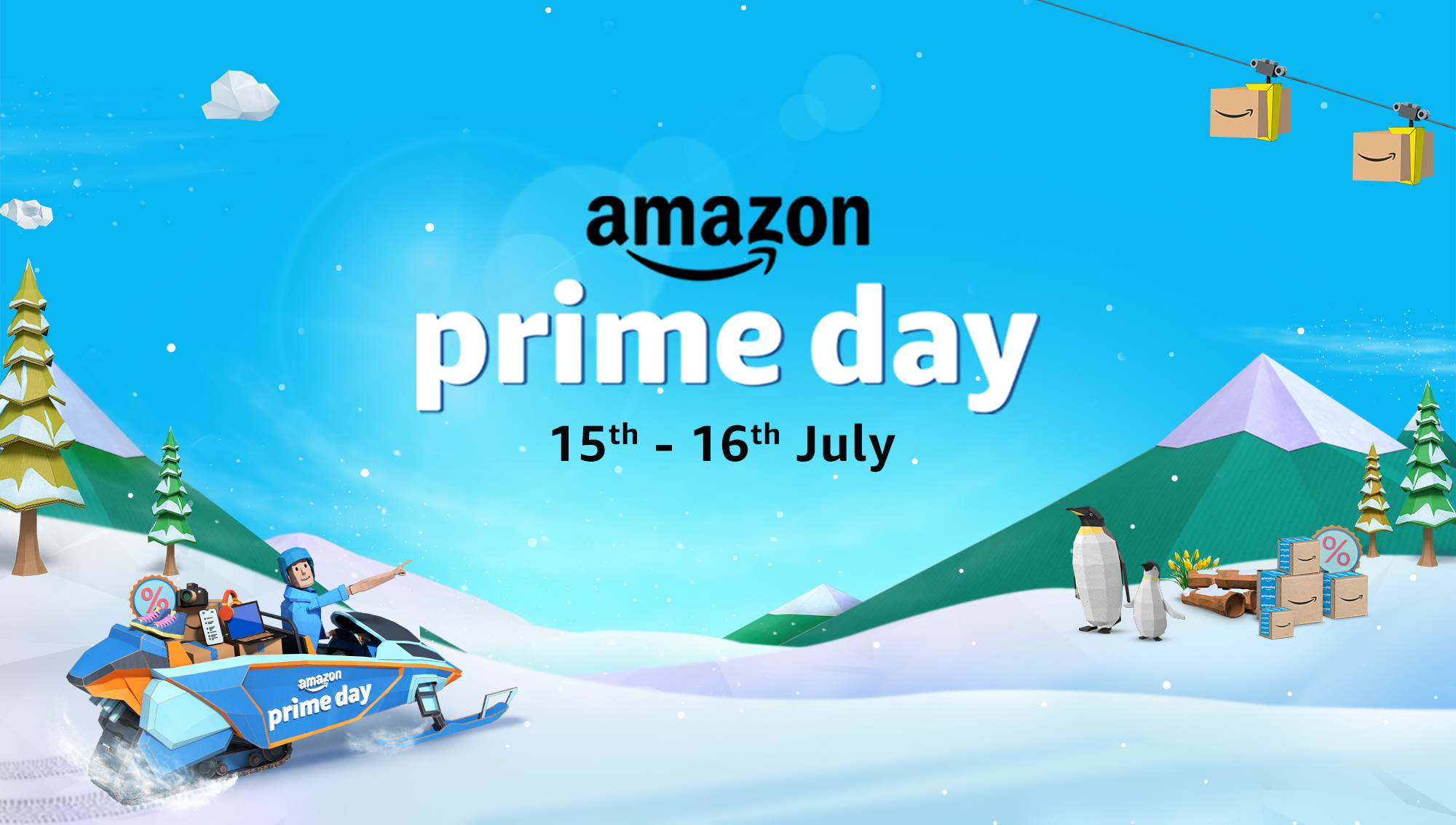
    Prime Day Sales: Ultimate Guide to Maximize Sales in 2023

    Prime Day, the highly anticipated global shopping extravaganza, is approaching fast. It’s time to take your sales to new heights and enhance your brand’s performance. In this blog, discover the essential activities to master before and during Prime Day to ensure a successful campaign.

    Pre-Prime Day Activities:

    1. Get a Head Start: Initiate your advertising efforts at least one week before Prime Day, targeting trending, high-volume, and high-conversion rate keywords to captivate early shoppers.

    2. Create Prime Day Deal ASIN Coverage Campaigns: Create dedicated campaigns to highlight your exclusive Prime Day deals, ensuring maximum visibility for your discounted products.

    3. Target High-Rated Products: Focus on campaigns that specifically target products with a rating of 4 stars or above, leveraging positive customer reviews to build trust and boost conversions.

    4. Promote New ASINs: Generate traction for recently launched products within the last 30 days by creating dedicated campaigns tailored to these ASINs.

    5.  Re-engage Shoppers: Set up remarketing campaigns that go live on Prime Day, capturing the attention of window shoppers with a look-back window.

    6.  Optimize Budgets with Drona: Allocate budgets at least three times higher for campaigns with a budget utilization above 80% and an ROAS greater than 3, using Drona’s automated bid and budget rules for streamlined management.

    7.  Maintain Stability: Avoid significant campaign optimizations two days before and up to three days after Prime Day to ensure stability and avoid disruptions.

    During Prime Day Activities

    1. Stay Alert: Monitor Out-of-Budget (OOB) notifications and make necessary budget adjustments to keep your campaigns running smoothly throughout Prime Day.

    2. Enhance Visibility: Ensure your advertised deal ASINs are prominently displayed on top-of-search (TOS) slots for trending keywords across multiple pin codes, driving depth and attracting potential customers.

    3.  Optimize Sponsored Brand (SB) Campaigns: Feature deal ASINs as the top three products on the SB banner to capture attention and encourage engagement.

    4.  Adjust Bids Strategically: Monitor competition and visibility of your deal ASINs on TOS slots, adjusting bids to stand out and maintain a competitive position.

    5.  Leverage Peak Traffic Hours: Be aggressive with your bids and budgets during peak traffic hours, such as 11 PM-2 AM, 9 AM-10 AM, and 7 PM-10 PM, capitalizing on high shopper activity.

    Optimization Tools for Success:

    1. Drona: Amazon’s advertising automation platform streamlines bid adjustments, budget management, and real-time campaign optimization for maximum visibility and conversions.

    2.  Amazon Pi: Leverage Pi’s valuable insights into customer behavior, trends, and campaign performance to identify opportunities and refine targeting for optimized results.

    3.  Amazon Brand Analytics: Track sales, monitor product performance, and stay ahead of competitors with Brand Analytics, making data-driven decisions to optimize your marketing strategies.

    4.  Listing Quality Dashboard: Enhance your product listings using the Listing Quality Dashboard, rectifying any issues and enthralling customers with polished and optimized content.

    Prime Day 2022 in India shattered records, generating over ₹5,400 crores in sales, a 67% increase from the previous year. The event attracted over 100 million visitors to Amazon’s website and witnessed 5 million app downloads. With plans to expand further, Prime Day promises a bright future. Electronics, home & kitchen, fashion, and grocery were the top categories, with leading brands like Amazon Devices, Apple, Samsung, and Sony. Delhi, Mumbai, Bengaluru, and Chennai topped the list of cities driving sales

  • Boost Your Brand’s Performance on Amazon Prime Day 2023: Effective Strategies for Success

    Boost Your Brand’s Performance on Amazon Prime Day 2023: Effective Strategies for Success

    Amazon Prime Day is one of the biggest shopping events of the year, offering exciting discounts and exclusive deals to millions of Amazon Prime members. As a brand, it’s essential to seize the opportunities presented by Prime Day to maximize your sales and boost brand visibility. Here are practical tips to maximize your success:

    Offer Irresistible Exclusive Deals:

    Set your brand apart by providing compelling Prime Day discounts that catch shoppers’ attention and drive sales for your products.

    Create Compelling Product Pages:

    Craft visually appealing and user-friendly product pages with high-quality images, engaging videos, and persuasive descriptions. These elements will captivate shoppers and significantly boost conversion rates.

    Utilize Sponsored Products Ads:

    Enhance your product’s visibility by running targeted Amazon Sponsored Products ads, ensuring that your offerings shine amidst the Prime Day frenzy.

    Generate Social Media Buzz:

    Generate excitement by promoting your Prime Day deals on social media platforms. This approach will help you reach a broader audience and create a sense of urgency surrounding your brand’s offerings.

    Collaborate with Influencers:

    Forge partnerships with influencers who are relevant to your brand. By doing so, you can expand your reach, build trust, and amplify the impact of your Prime Day promotions.

    Engage Customers with Contests and Giveaways:

    Drive customer engagement and word-of-mouth by hosting contests and giveaways exclusive to Prime Day. These initiatives will entice customers to interact with your brand and, in turn, drive conversions.

    Plan Ahead:

    Prepare in advance by optimizing your product pages, allocating your advertising budget, and fine-tuning your marketing strategies. This proactive approach ensures a seamless Prime Day experience for your brand.

    Unleash Creativity:

    Stand out from the competition by unleashing innovative marketing ideas, captivating visuals, and compelling messaging that resonate with Prime Day shoppers. Creativity can be a powerful differentiator.

    Track Performance and Optimize:

    Monitor key performance metrics to gauge the success of your Prime Day efforts. This information will enable you to refine your strategies and drive even better results in the future.


    Conclusion:

    Prime Day 2023 presents an unparalleled opportunity to skyrocket your brand’s success on Amazon. By offering exclusive deals, creating captivating product pages, utilizing targeted advertising, and implementing strategic promotions, you can maximize your sales and make a lasting impression on Prime Day shoppers. Get ready to seize this incredible opportunity and unlock unprecedented success for your brand!

    &nbsp

  • Future-Proofing Your E-Commerce Business: Trends and Forecasts for 2023

    Future-Proofing Your E-Commerce Business: Trends and Forecasts for 2023

    COVID-19 proved to be a turning point for the e-commerce industry. With physical movements restricted, it made online stores the go-to shopping destination. And while offline retailers have reported an impressive recovery in footfalls and sales in the last couple of years, consumers continue to shop online.

    According to a report, the B2C e-commerce market in India is expected to reach $107.3 billion in 2023, growing at 10.75% annually.

    But to keep up with the momentum, online stores must understand the rapidly evolving consumers and adopt the latest trends making the biggest impact. Check out 3 e-commerce trends expected to make a splash in 2023-

    1. The Era of Synthetic Media

    The launch of ChatGPT by OpenAI has opened the floodgates for using synthetic media in online marketing. Synthetic media is any content enabled, generated, or edited by Artificial Intelligence (AI). Several brands have started using such AI tools to generate pictures and articles.

    But as AI and synthetic media will go more mainstream in 2023, it is essential for brands and marketers not to lose their voice. Your content should resonate with your target customers and not just be to fill up space on your website or marketing emails.

    2.Offer a Seamless Mobile Shopping Experience

    Mobile commerce, or m-commerce, is one of the fastest-growing subdivisions of e-commerce. Between 2023-2028, the global mobile commerce market is expected to grow at a CAGR of 33.27%. And with the rapidly growing reach of cheap mobile internet, Indian consumers will play a critical role in the development of m-commerce.

    With consumers expecting online retailers to offer on-the-go shopping convenience, having a user-friendly mobile store is an absolute must. If you don’t have one, consider investing in a mobile app or shopping website.

    3.Social Commerce and Live Commerce

    The digital landscape is a breeding ground for new and innovative marketing channels. For instance, besides running ads on social platforms, brands should also add social commerce to their marketing arsenal. It already has a market size of $2 billion in India and is expected to grow at an impressive CAGR of 50%-60% in the next 5 years. TikTok and Instagram have also launched shopping features.

    Another channel worth considering is live commerce. It is the process of promoting and selling products on digital platforms through live streams, generally by collaborating with influencers. Amazon has already launched Amazon Live, where it uses an army of 150+ influencers to sell products through live streams.

    Start Leveraging the Latest E-Commerce Trends

    The e-commerce industry is moving fast, and early adopters are often the biggest beneficiaries. If you’re working on your marketing plan for 2023, note these 3 e-commerce marketing trends to fulfill the consumers’ expectations and pave the path for consistent growth.

    You can also consider working with a leading digital marketing agency specializing in e-commerce marketing to leverage these trends and future-proof your business.


  • ONDC: Revolutionizing the E-Commerce Landscape in India

    ONDC: Revolutionizing the E-Commerce Landscape in India

    ONDC is set to revolutionize the e-commerce experience for customers shopping on platforms like Amazon and Flipkart. With ONDC, customers will enjoy a plethora of benefits that enhance their online shopping journey. One of the key transformations it brings is the amplification of choices available to customers. By enabling shopping across multiple platforms, ONDC expands the range of products and sellers accessible to customers, leading to a more diverse and extensive selection. This increased competition among sellers is expected to drive down prices, making products more affordable.

    ONDC fosters a culture of transparency by mandating that sellers disclose pricing and shipping information. This empowers customers to effortlessly compare prices, locate the best deals, and reduce the risk of falling victim to fraud or scams. The introduction of ONDC is set to instigate a more competitive e-commerce marketplace. Sellers will vie for customers’ attention by competing on various fronts such as price, quality, and customer service, thereby pushing for the development of better products and services. ONDC’s anticipated impact on the e-commerce experience of Amazon and Flipkart customers is overwhelmingly positive, promising them a wider array of choices, greater transparency, and heightened competition, ultimately resulting in improved products and services at more competitive prices.

    ONDC’s Impact on Amazon and Flipkart:

    As the dominant players in the Indian e-commerce landscape, Amazon and Flipkart face unique challenges from ONDC:

    1. Leveling the Playing Field: ONDC’s goal of creating a fair market environment poses a challenge to established giants like Amazon and Flipkart. With increased competition and greater opportunities for small businesses, these industry leaders may find it challenging to maintain their market share.

    2. Operational Changes: ONDC’s guidelines may require Amazon and Flipkart to adapt their practices. The emphasis on clear and accurate product information may make it harder for them to engage in practices like predatory pricing, promoting a more equitable market environment.

    3. Consumer Benefits: ONDC is poised to provide consumers with lower prices, a wider range of choices, and improved customer service. By fostering competition and inclusivity, ONDC aims to make e-commerce accessible and beneficial to all consumers.

    4. Overcoming Challenges: ONDC faces challenges such as the early stages of implementation and competition from established e-commerce platforms. Addressing these hurdles will require strategic planning, continuous adaptation, and innovative approaches.
    5. Curbing Monopolistic Practices: ONDC’s focus on creating a competitive marketplace can serve as a deterrent to monopolistic practices. ONDC aims to ensure fair play and empower consumers by mandating clear information disclosure.

    Conclusion:

    ONDC has the potential to reshape the e-commerce landscape in India, benefiting consumers and businesses alike. By promoting competition, empowering small businesses, enhancing transparency, and improving customer experiences, ONDC strives to create a thriving and equitable marketplace.

  • The Increasing Popularity of Live Shopping

    The Increasing Popularity of Live Shopping

    Live shopping has revolutionized the way we shop by combining the convenience of online shopping with the entertainment of live streaming. This innovative approach allows viewers to interact with hosts and make purchases in real time, creating a more engaging and interactive shopping experience. Live shopping has gained tremendous popularity and is expected to continue its upward trajectory in the coming years.

    In 2021 alone, live shopping sales worldwide reached an impressive $120 billion, and industry projections estimate that it will skyrocket to $250 billion by 2026. So, what exactly is driving this surge in popularity?

    First and foremost, live shopping offers a level of engagement and interactivity that traditional online shopping cannot match. Viewers can actively participate by asking questions, witnessing live demonstrations of products, and even interacting with fellow viewers. This dynamic shopping experience adds an element of fun and provides valuable product information, helping shoppers make informed decisions.

    Moreover, live shopping is incredibly convenient. Shoppers can browse and purchase products from the comfort of their homes, with items being delivered directly to their doorstep. This convenience is particularly appealing to busy individuals who may not have the time or opportunity to visit physical stores or browse online shops extensively.

    Another key advantage of live shopping is its ability to deliver a personalized shopping experience. Hosts can tailor their content to cater to the interests of their viewers, providing relevant product recommendations based on their past purchases. This level of customization streamlines the shopping process and helps viewers discover products that align with their preferences, resulting in a more satisfying shopping experience overall.

    For brands, live shopping presents an invaluable opportunity to connect with customers and drive sales. Brands that have yet to embrace live shopping are missing out on a powerful marketing tool that can help them reach new customers and expand their business.

    If you’re considering diving into the world of live shopping, here are some essential tips to help you get started:

    Choose the right platform: Select a live shopping platform that is popular among your target audience and offers the necessary features to support your brand and products effectively.

    Create engaging content: Keep in mind that live shopping thrives on engagement. Craft compelling and informative content that will captivate viewers and keep them watching.

    Leverage influencers: Collaborate with influencers who align with your brand to expand your reach and generate excitement for your live shopping events.

    Promote your events: Build anticipation by promoting your live shopping events well in advance. Utilize your website, social media platforms, and email list to inform your customers about upcoming events and generate interest.

    Offer discounts and promotions: Live shopping provides an ideal opportunity to offer exclusive discounts and promotions. Take advantage of this to incentivize purchases, drive sales, and attract new customers.

    The benefits of live shopping extend beyond sales and customer engagement. It can also contribute to increased brand awareness by providing a platform to showcase your products and services to a broader audience. Furthermore, real-time interaction with customers allows you to address their queries, build trust, and strengthen your relationship with them.

    In conclusion, live shopping is a powerful tool that can enhance your brand’s online presence, connect you with customers on a deeper level, and ultimately boost sales. By following these tips and capitalizing on the numerous advantages that live shopping offers, you can embark on an exciting journey of growth and success in the digital marketplace.

  • ONDC – Simplifying e-Commerce

    ONDC – Simplifying e-Commerce

    The Open Network for Digital Commerce (ONDC) is an ground-breaking initiative by the Government of India aimed at revolutionizing e-commerce for sellers across the country. Designed to streamline the selling process, ONDC provides a comprehensive platform that enables sellers to focus on their core business activities while eliminating the complexities associated with building websites, managing payment gateways, and handling logistics. In this article, we will delve into the various aspects of ONDC, including its roles, features, pricing structure, standard categories, and recent advancements, highlighting how it simplifies e-commerce for sellers in India.


    The Buyer App and the Seller App:


    ONDC consists of two primary components: the Buyer app and the Seller app. The Buyer app serves as a central hub for managing customer queries, facilitating refunds, and ensuring timely payouts to sellers. Well-known examples of Buyer apps include Paytm and Meesho, which provide seamless interfaces for customers to interact with sellers. On the other hand, the Seller app is responsible for managing supply, dispatch, cataloging, and inventory control. It acts as an aggregator, allowing sellers to showcase their products across multiple buyer apps. Mystore, for instance, is a popular Seller app that enables sellers to expand their reach and visibility by making their products available on various buyer apps.


    The Significance of the ONDC Score:


    An integral feature of ONDC is the ONDC score, which plays a crucial role in determining a seller’s visibility within the platform’s listings. The score is calculated based on various factors, including product quality, timely delivery, customer feedback, and more. A higher ONDC score translates to better visibility for the seller, as it indicates their commitment to providing excellent products and services. Sellers are incentivized to continuously improve their offerings, thereby enhancing customer satisfaction and building trust. By rewarding sellers with higher visibility, ONDC encourages healthy competition and drives overall quality standards within the e-commerce ecosystem.


    Straightforward Pricing and Invoice Management:


    Pricing on ONDC follows a transparent and straightforward structure. Customers are charged the product price, along with shipping and packaging costs. Sellers receive their payments through the Buyer app, which calculates the commission percentage based on the customer’s payment. During product shipment, sellers create invoices for customers, ensuring a smooth and professional buying experience. Furthermore, sellers have the flexibility to define return and cancellation policies for specific products, tailoring their offerings to meet customer expectations.


    Standard Categories for Easy Product Listing:


    To enhance the browsing and shopping experience for buyers, ONDC offers standardized categories for sellers to list their products. These categories make it easier for buyers to find the specific products they are looking for, streamlining the search and purchase process. By organizing products into logical categories, ONDC simplifies navigation and increases the likelihood of successful transactions. However, it’s important to note that COD (cash on delivery) is not available on the ONDC platform, as it aligns with the government’s push for digital payments and a cashless economy.


    Advancements:


    Integration with GeM and Micro-Enterprises (Approximately 200 words): ONDC has been making significant advancements to further enhance the e-commerce landscape in India. One notable development is the integration of ONDC with the Government e-Marketplace (GeM), a government-run online platform for the procurement of goods and services by government organizations. This integration enables direct sales to government entities, opening up new opportunities for sellers and expanding their potential customer base. By leveraging the ONDC platform, sellers can access a trusted and reliable channel to serve government organizations efficiently.

    Another significant advancement is the utilization of ONDC to support the setup and growth of micro-enterprises. Micro-enterprises, defined as small businesses with fewer than ten employees, play a vital role in India’s economy. ONDC provides a robust framework that simplifies backend processes for these enterprises, allowing entrepreneurs to focus on product sales and business expansion. By leveraging the capabilities of ONDC, micro-enterprises can access a wider market reach, streamline operations, and capitalize on the growing e-commerce trends.

    In conclusion, the Open Network for Digital Commerce (ONDC) serves as a catalyst for simplifying e-commerce for sellers in India. By providing a comprehensive platform, ONDC enables sellers to focus on their core business activities while eliminating the complexities associated with managing websites, payment gateways, and logistics. With its user-friendly roles, transparent pricing structure, standardized categories, and recent advancements like integration with GeM and support for micro-enterprises, ONDC is transforming the e-commerce landscape, empowering sellers and driving growth in the digital commerce ecosystem.


  • Amazon Advertising: A Comprehensive Guide to Boosting Sales and Visibility

    Amazon Advertising: A Comprehensive Guide to Boosting Sales and Visibility

    In today’s digital age, Amazon has become one of the biggest online retailers, serving millions of customers worldwide. If you’re a business owner, it’s essential to make the most of Amazon’s popularity and reach. Fortunately, Amazon Advertising provides you with an opportunity to stand out, attract more customers and increase sales.

    In this comprehensive guide, we’ll take a closer look at Amazon Advertising, how it works, and its benefits.

    What is Amazon Advertising?

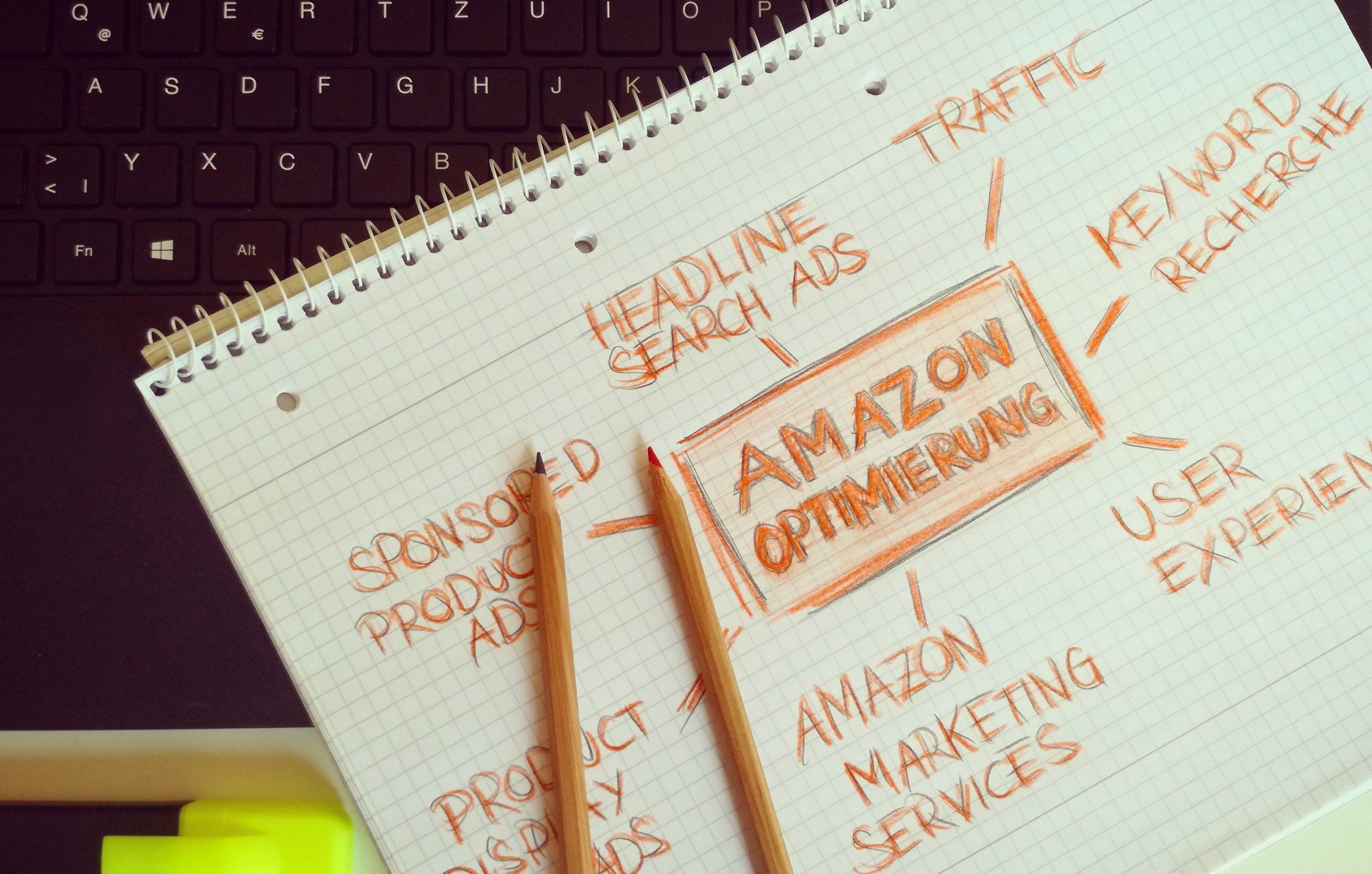
    Amazon Advertising is a collection of tools and services that allow businesses to create and display ads on Amazon-owned properties such as Kindle, Fire TV, and Alexa. The platform provides various ad formats, including sponsored products, sponsored brands, and sponsored display ads.

    Sponsored products appear in search results and product detail pages, labeled as “sponsored.” Sponsored brands appear at the top of search results and showcase a logo, a custom headline, and up to three products. Sponsored display ads appear on product detail pages and target customers based on their interests, shopping behavior, and other factors.

    How Does Amazon Advertising Work?

    Amazon Advertising uses a pay-per-click (PPC) model, which means businesses only pay when someone clicks on their ad. Advertisers bid on keywords and Amazon uses a variety of factors, including bid amount, relevance, and ad quality, to determine which ads to display.

    Getting started with Amazon Advertising is easy; all you need is an Amazon Advertising account and a campaign. You can choose from a variety of targeting options, including keywords, interests, and products. You can also set a daily budget and adjust your bids based on your advertising goals.

    Benefits of Amazon Advertising

    1.Reach a Large Audience

    Amazon has over 300 million active users worldwide, making it one of the largest online retailers globally. By using Amazon Advertising, businesses can tap into this vast audience, increasing their visibility and potential customer base.

    2.Increased Visibility

    Using Amazon Advertising can increase your visibility on the platform and reach a broader audience, which can lead to more sales and brand awareness. Amazon Advertising’s targeting options allow you to reach the right audience, increasing the likelihood of conversion.

    3.Targeted Advertising

    Amazon Advertising provides businesses with targeted advertising options, allowing them to tailor their ads to specific audiences. You can target your ads based on interests, shopping behavior, and other factors, ensuring that your ads reach potential customers who are most likely to purchase your products.

    4.Cost-Effective

    Amazon Advertising is cost-effective, using a pay-per-click model, which means businesses only pay when someone clicks on their ad. This pricing model makes it easier for businesses to manage their advertising budgets and optimize their campaigns based on results.

    5.Measurable Results

    Amazon Advertising provides businesses with detailed reports on their ad performance, including clicks, conversions, and sales. This information can help businesses optimize their campaigns and improve their return on investment (ROI).

    Amazon Advertising Tools

    1.Amazon DSP

    Amazon Demand-Side Platform (DSP) provides businesses with programmatic advertising solutions. DSP is a powerful tool that allows advertisers to reach and engage their target audiences across various channels, including Amazon and other third-party sites.

    2.Amazon Attribution

    Amazon Attribution provides businesses with insights into their advertising campaigns’ effectiveness across the Amazon platform and third-party sites. With Attribution, businesses can track the performance of their ads, analyze the impact on sales, and optimize their advertising strategy.

    3.Amazon Sponsored Brands Video

    Amazon Sponsored Brands Video allows businesses to showcase their products in a video format. This format provides an immersive experience for customers and can increase brand awareness and engagement.

    4.Amazon Live

    Amazon Live is a live-streaming service that allows businesses to engage with potential customers in real-time. With Amazon Live, businesses can showcase their products, answer customer questions, and provide demonstrations to increase sales and customer engagement.

    Tips for Optimizing Your Amazon Advertising Campaigns

    1.Choose the right keywords

    Choosing the right keywords is essential for the success of your Amazon Advertising campaigns. Start by researching popular search terms related to your products and choose relevant, high-traffic keywords that match your target audience’s search intent.

    2.Optimize your product listing

    Your product listing plays a crucial role in the success of your Amazon Advertising campaigns. Make sure your product listing is complete, accurate, and includes high-quality images and detailed descriptions.

    3.Use negative keywords

    Using negative keywords is a great way to filter out irrelevant traffic and focus on the most relevant customers. Negative keywords are words or phrases that you don’t want your ads to show up for, and you can add them to your campaigns to exclude certain searches.

    4.Monitor your campaigns regularly

    Monitoring your campaigns regularly is essential for optimizing your Amazon Advertising campaigns. Analyze your campaign data regularly and make adjustments to improve your ad performance and achieve your advertising goals.

    5.Test and experiment

    Testing and experimenting with different ad formats, targeting options, and ad copies can help you optimize your Amazon Advertising campaigns and achieve better results. Try out different strategies and analyze the data to find out what works best for your business.

    Conclusion

    Amazon Advertising provides businesses with a powerful platform to increase their visibility, reach a broader audience, and drive sales. With a variety of ad formats, targeting options, and tools, Amazon Advertising can help businesses optimize their campaigns and achieve their advertising goals.

    By following the tips and strategies outlined in this guide, businesses can create effective Amazon Advertising campaigns, reach their target audience, and increase their return on investment. With the right approach, Amazon Advertising can be a game-changer for your business.

  • The Evolution of Grocery E-commerce: Trends and Strategies for Success

    The Evolution of Grocery E-commerce: Trends and Strategies for Success

    In recent years, the growth of e-commerce has been evident in almost every industry, including the grocery sector. The pandemic-induced lockdowns and social distancing norms have led to a significant increase in the adoption of online grocery shopping. With the rapid growth of the online grocery market, it is essential for retailers to stay up-to-date with the latest trends and strategies to stay ahead of the competition.

    The grocery ecommerce according to a report by IGD, the online grocery market is expected to reach $335 billion globally by 2025. The United States alone is projected to reach $250 billion in online grocery sales by 2025, making up 21.5% of the total grocery market. This projected growth can be attributed to several factors, such as increased consumer demand for convenience, the rise of digital natives, and advances in technology.

    The key to success in e-commerce is to understand your customers’ behavior and preferences. A study by Bain & Company found that the top three factors that drive consumers to shop online for groceries are convenience, time savings, and access to a broader range of products. Another trend that has emerged in recent years is the demand for sustainable and eco-friendly products. Retailers who can cater to these preferences are likely to succeed in the long run.

    One of the critical factors that determine the success of an e-commerce platform is its user experience. It is essential to create a seamless and personalized shopping experience for customers. Some of the strategies that retailers can adopt to achieve this are:

    1. Offer personalized product recommendations based on customer preferences and past purchases.
    2. Provide multiple delivery options, including same-day delivery and curbside pickup.
    3. Use data analytics to understand customer behavior and preferences better.
    4. Optimize the mobile experience as more consumers are likely to shop via their mobile devices.

    Another strategy that retailers can adopt is to leverage technology to streamline their operations. This includes investing in warehouse automation, implementing RFID technology for inventory management, and using chatbots for customer support.

    The pandemic has accelerated the growth of e-commerce, and it is likely to continue in the coming years. Some of the trends that are expected to redefine the grocery e-commerce market in 2022 are:

    1. Increased adoption of AI and Machine Learning to personalize the shopping experience.
    2. Expansion of social commerce with the integration of social media platforms into e-commerce.
    3. Growth of subscription-based models to enhance customer loyalty.
    4. Increase in the use of voice-enabled devices for online grocery shopping.

    The growth of the online grocery market presents a tremendous opportunity for retailers. However, with the growing competition, it is crucial to stay up-to-date with the latest trends and strategies to succeed. By providing a seamless and personalized shopping experience, leveraging technology, and understanding customer behavior and preferences, retailers can gain a competitive edge in the grocery e-commerce market.


  • 3 Ways to Use Data for Boosting Your Ecommerce Business

    3 Ways to Use Data for Boosting Your Ecommerce Business

    Ecommerce businesses are tirelessly searching for new ways to reach more people and improve customer experiences. But a powerful solution could possibly be available at their fingertips, and many are either unaware or don’t know how to leverage it.

    Data is steadily becoming the new frontier of competition and innovation in eCommerce.

    With 74 zettabytes of data generated by the end of 2021 (1 zettabyte=1 trillion gigabytes), there’s plenty of data that online stores can use to boost their business. Here are 3 effective ways to leverage data in eCommerce –

    1. Creating Buyer Personas

    According to a study by IBM, almost 90% of the marketers agree that personalized customers experiences are critical to their success. However, 80% of the consumers believe that the average brand fails to understand them as individuals. Creating buyer personas could help change the statistic.

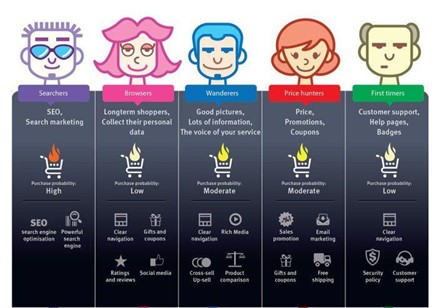
    Marketers can collect, compile, and analyse data from multiple sources and divide it into segments for creating buyer personas. These are comprehensive profiles of ideal customers to improve decision-making and ensure that marketing initiatives target every audience segment adequately.

    The buyer persona and journey map above offers an excellent overview of how online stores can approach this strategy to better understand their customers.

    1. Predicting New Trends

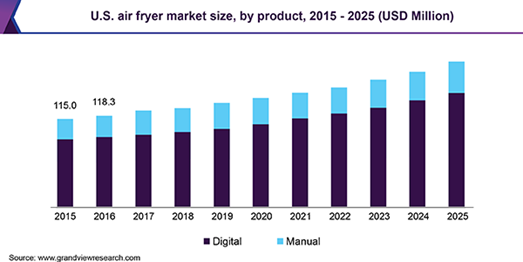
    Product trends change swiftly in the e-commerce world. For instance, while air fryers are currently selling like hotcakes, it might be something else in the near future. Knowing such trends in advance could be a gamechanger for any online retailer. And it is now possible to accurately predict “the next best product” with the help of demand forecasting solutions.

    These tools can identify trends and patterns in sales data to estimate future demand. It can enable online stores to maintain adequate stock levels, generate higher revenue, and gain a competitive edge. Short-term and long-term demand can be forecasted at a micro or macro level to predict the future and keep up with the changing trends.

    For instance, a simple demand forecast for air fryers suggests that their market size will continue to grow well into the future.

    1. Boost Customer Service

    Finding and converting new customers is challenging for smaller online stores. But after making the first purchase, their chances of doing it again are considerably higher. In other words, instead of selling your products to a new customer, you are 60%-70% more likely to sell to existing customers. And repeat customers are vital for any business as they spend up to 67% more than new customers.

    The quality of your customer service plays a critical role in boosting customer loyalty. Ecommerce businesses can collect an extensive range of data and build it into their CRM strategy to improve customer service and satisfaction. Some of the data points they can consider are-

    • Website cart abandonment rates, bounce rates, and conversion rates
    • Customer satisfaction survey results
    • Customer service response times
    • Overall social sentiment

     Leveraging Data in Ecommerce

    There are several ways for online stores to leverage data for improving their operations. Moreover, there’s also an extensive range of advanced analytics software and tools to help businesses make sense of their collected data. But as data now plays such a critical role in the eCommerce landscape, it’d be wise to trust only the experts.

    Experienced digital marketing professionals can help online stores explore the possibilities and create custom data-driven strategies that are equipped to deliver the best results.