LS Staging

Category: Digital Marketing

  • 3 Media Planning Strategies to Help Improve Your Brand’s Reputation

    3 Media Planning Strategies to Help Improve Your Brand’s Reputation

    Competitive advantage, customer loyalty, improved awareness, credibility, and higher sales are among the top benefits of having a positive brand reputation.

    According to research by Spiegel, around 95% of online customers read reviews before making a purchase. This clearly suggests the critical role your reputation plays in the success of your business.

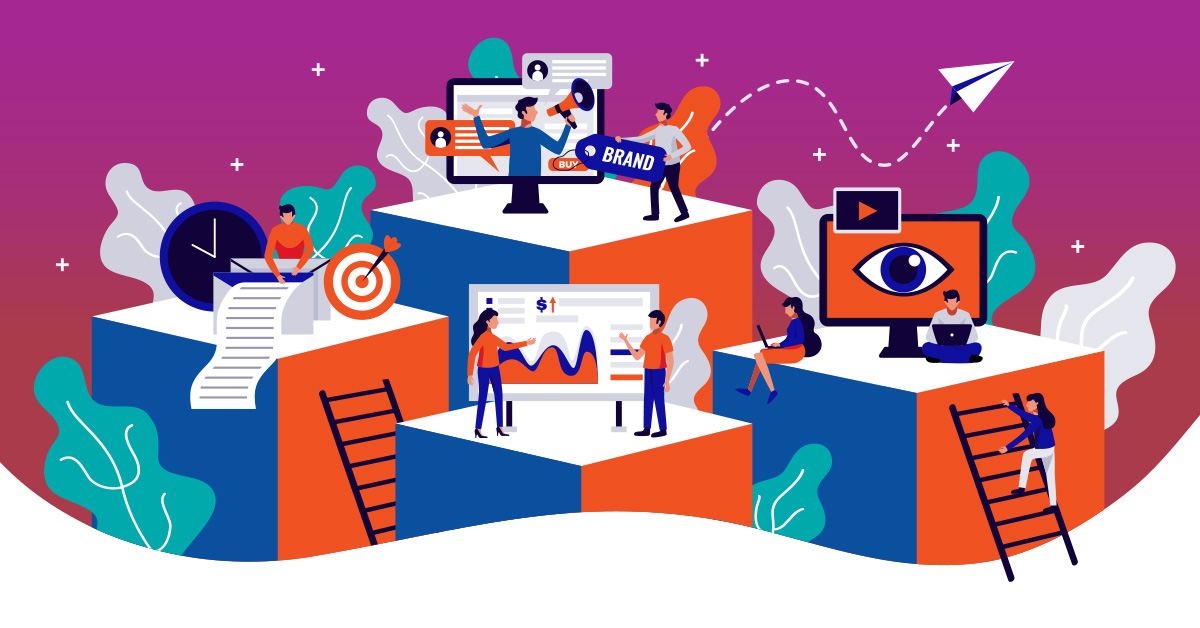
    Media planning is one of the most effective ways for brands to improve their online reputation. It is the process of determining where, when, why, and how your brand shares digital content (written content, videos, images, podcasts, etc.) with the audience.

    A media plan includes detailed information about the type of content shared on various digital channels for boosting engagement, reach, conversions, and more.

    But how do you create effective media plans? Here are 3 strategies that can help-

    1. Choosing the Right Digital Channel

    Marketers now have a variety of digital channels where they can share their content. Some of the most common ones are websites, social media, and email. You can choose one or work on a combination of channels for sharing media content with your audience. Selecting the right channel is critical to ensure that the content delivers the expected results.

    The type of audience you are targeting can help you choose the right channel.

    B2C brands can use channels such as social media and emails. B2B brands, on the other hand, should prioritize platforms like LinkedIn that are frequented by professionals and business owners/managers.

    2. Audience Targeting is the Key

    Targeting helps you determine with whom your brand will share the content and how you’ll find them. Most marketers start by creating buyer personas based on gender, age, location, hobbies, profession, buying habits, and socioeconomic status. Tools like Google Analytics can be used for collecting this data.

    Once the personas are created, you can then work upon figuring out the platforms frequently used by people on whom the personas are based on.

    All the popular platforms such as Google, Instagram, Facebook, Twitter, and LinkedIn now offer a variety of segmentation tools that allow you to effectively reach your target audience.

    3. Work on the Messaging Theme

    Every content you share on the internet should communicate a specific message. While it is not necessary to have every piece of content ready before you launch a campaign, it is wise to define the messaging theme upon which all the different types of content will be based upon so that everything is consistent.

    Your marketing goal is a primary consideration in this regard. The content can be about a new launch, helping people understand the quality/features of your products or services, improving awareness, or simply encouraging people to subscribe to your newsletter. Your target audience and the platform/s where the content will be shared also influence the messaging theme.

    Improving Brand Reputation with Effective Media Planning

    As the internet is now the go-to destination for people searching for products and services, your digital footprint is all the more important for your brand reputation. With media planning, brands can boost their reputation and influence audience decisions.

    If you are currently working on your media plan, these are a few tips that can make your strategies more effective and successful. Brands can also rely on reputable digital marketing agencies to create a custom media plan that effectively aligns with their business goals.

  • How Has COVID-19 Digitized Consumers and What Businesses Need to Do?

    How Has COVID-19 Digitized Consumers and What Businesses Need to Do?

    The COVID-19 pandemic made a tectonic shift in our everyday lives. From the way we work to how and where we shop, the pandemic and the resulting lockdown is probably the biggest transformational event of the 21st century.

    As the government imposed stringent lockdown across the country to limit the spread of the virus, the digital world became the go-to destination. From shopping, working, communicating, accessing the latest news to entertainment, the internet is where most people spent a major portion of their day. This has had a significant impact on consumer behaviour.

    Take a look at how the pandemic has increased the pace and demand for digital adoption-

    The Rise of E-Commerce

    While the lockdown was first imposed in the country on March 23rd, 2020, e-commerce companies were allowed to operate from April. Not only the popular platforms like Amazon and Flipkart but even small-scale regional online stores witnessed record growth during this period as people rushed to purchase everything, ranging from branded goods to essential commodities.

    The online fashion sector suffered the most when the lockdown was imposed in the country. But as more and more people started shopping online, a dramatic recovery was witnessed in the sector. 

    According to a report by Unicommerce available on BusinessToday, within the first 7-days of lockdown 3.0, which started in May 2020, online fashion portals recovered almost 30% of their pre-lockdown order volumes.

    Entertainment in the Pandemic Era

    With nothing much to do to get through their day, people turned to the internet for entertainment. OTT platforms witnessed a record number of new users, especially from smaller cities and towns of the country. Increasing smartphone penetration and the availability of cheap mobile data also contributed to the rising popularity of digital content.

    According to a Boston Consulting Group report, available on LiveMint, OTT platforms such as Netflix and Amazon Prime witnessed up to 60% growth in paid user registration during the pandemic in India. More than 50% of these paid users are expected to continue using the platforms in 2021.

    Similarly, video-sharing platforms like YouTube not only witnessed an increased number of new users but also found that existing users spent more time watching videos during the pandemic. This also led to businesses using such platforms for advertising.

    Has Digitisation Become a Must for Businesses – Big and Small?

    The COVID-19 pandemic has only acted as a catalyst for the impending change in buying behaviour. The digital world was already growing by leaps and bounds in India even before 2020. But the pandemic has further fueled its growth, making it an essential component of the consumers’ day-to-day life.

    By not having a digital presence, businesses are risking the very existence of their business as the internet penetration is only expected to grow in the country.

    Not just big businesses but small and traditional businesses too need to start focussing on a digital presence as well. While small businesses relied on their physical presence to increase footfalls and sales earlier, a shift in the way consumers interact and buy from the brand will force businesses to focus on a digital-first strategy.

    Moreover, while marketplaces like Amazon, Flipkart, Swiggy, were enough to create an online presence earlier, brands that can better control the experience of their customers by bringing footfalls to their own online store and save on the margins will become market leaders in their segment.

    What Can Businesses Do?

    • Build an agile digital-first strategy
    • Control the experience better by establishing their own e-commerce or online store
    • Use their physical presence to fulfil orders created online innovatively.
    • Enhance their local presence online by using tools such as Google My Business.
    • Build a strong social media presence and connect with their audience on a more personal level.

    Most importantly, businesses would need to find a digital partner that can help them make the shift from a physical-first to a digital-first brand. 

  • Upgrade Your Content Marketing Strategy with Content Experience

    Upgrade Your Content Marketing Strategy with Content Experience

    ‘Content is king’ is a phrase that every digital marketer and brand manager might have read umpteen times. But do you know that this phrase was introduced by Bill Gates?

    In 1996, the Founder of Microsoft wrote an essay titled ‘Content is King’ where he talked about the internet being the future marketplace for content. It has been more than two decades since then, and we can all agree that this prophecy turned out true in every way possible. 

    Content is now at the heart of each of our digital marketing initiative. But while content probably will always be the king, it also goes through innovations and upgrades like all the other aspects of the digital landscape.

    ‘Content experience’ is the new buzzword in the content marketing industry. What is content experience? How can it boost your content strategy? Have a look-

    What is Content Experience?

    Modern consumers now live in a digital world that is ruled by the likes of Netflix and Spotify. These digital platforms take pride in their ability to provide personalized content experiences to their users. Once consumers get the taste of this personalization, they then expect the same from every platform or brand they deal with. In a nutshell, this is what content experience is all about. 

    It is the process of contextualizing and personalizing your content to better match the wants, needs, likes, and dislikes of the audience. No matter how a particular individual experiences or engages with your brand, there should be a level of uniformity and personalization.

    From website content, social media posts, newsletters, videos to even packaging instructions, every possible way in which any kind of content is consumed should be part of the overall content experience.

    How Does Content Experience Help?

    Here are some of the ways in which content experience can boost your content strategy-

    • Improved SEO Reach

    Over the years, Google has upgraded its search algorithm in a way that it can now provide accurate answers to actual conversational user queries and not only technical keywords. Furthermore, increased usage of voice assistance has significantly contributed to this progress. With content experience, your brand could have a voice that is relatable to your target audience.

    In other words, your content would be able to answer conversational queries of the audience, ultimately resulting in higher search engine rankings. Improved SEO reach and higher search engine ranking can also convert into more website traffic and sales.

    • Better Brand Authority

    Gone are the days when basic product demos were adequate to encourage people to buy your products or services. B2C and B2B consumers now prefer purchasing products that have plenty of information available about them on the internet. For instance, according to a report on Inc.com, 91% of the people regularly or occasionally read online reviews.

    If someone wanting to purchase your product or service is unable to find your reviews on the internet, it is very much possible that you might end up losing the customer to a competitor who does. In other words, content experience helps your brand build authority and have valuable information available on the internet, which is now vital for the consumers.

    • Improved ROI

    Last but not least, content experience can also make a world of difference to your bottom line. According to an E-Consultancy report, 80% of the companies that implemented personalization reported improved sales volume.

    Another research by Clickz suggests that companies that use advanced personalization report returns of up to $20 for every $1 they spend. These stats clearly emphasize the vital role that content experience can have on your bottom line. If done correctly, this content marketing strategy can significantly boost your business growth.

    Content Experience- The New Way to Market Content Online

    Modern consumers want to be informed, entertained, and engaged. In simple words, they now look for an experience that can make their purchase journey rewarding and delightful. Providing content experience is a strategy that checks all the right boxes when it comes to satisfying modern consumers.

    With personalization only expected to get more important for consumers in the future, this can be the right time for marketers and brands to start working on a content experience strategy as it could deliver lasting results.

  • Digital Strategies in 2021: 3 Trends Brands Cannot Ignore

    Digital Strategies in 2021: 3 Trends Brands Cannot Ignore

    2020 was unpredictable and chaotic in more ways than one. From health, income, lockdowns to the fear and stress about the disease, the year is sure to stick out for generations to come.

    But now that the eventful year is finally over and things are starting to look up for the world, it is time for brands to get back to their drawing boards and build a digital strategy that could work in the post-COVID world.

    The pandemic has impacted consumer habits in a way that it has become essential for brands to create strategies that meet their changed expectations and needs. So, what are the digital trends brands should focus upon this year? Here’s a list of top 3-

    1. Time to Get Social

    As lockdowns forced people to remain indoors, social networking platforms came to the rescue. According to a report on Statista, the average amount of time a user spent on social media in India reached 4 hours 46 minutes in the last week of April 2020.

    From communications, entertainment, shopping to accessing the latest news updates, platforms such as Facebook, Twitter, and Instagram witnessed a drastic rise in the amount of time people spent on the platforms. While the usage stabilized in the following months, brands can no longer ignore social platforms when working on their digital strategies.

    Focusing on platforms that are most relevant to the brand and its target audience will help marketers expand their reach. Brands need to communicate with their followers, post useful content regularly, and look for unique ways to engage with people to build and improve their market reputation.

    2. Audience Segmentation to the Fore

    Be it social media or paid ads, brands can no longer work on a single extensive market campaign and aim to target a larger audience base. Instead, it can be more effective if there are multiple smaller campaigns with different metrics targeting a specific audience group.

    Customization is one thing that has become all the more important for consumers. Be it an online advertisement, social media post, or website content, consumers are more attracted if your approach is customized.

    Fortunately, customization has been a trending topic in the digital ecosystem for a long time. Almost every popular digital platform now offers highly effective audience segmentation tools that can allow marketers to segment their audience based on their demographics, interests, and behaviours. Take advantage of these tools to customize your digital endeavours.

    3. Be Socially Responsible and Let People Know

    Growing awareness about climate change, the environment, and the events that transpired last year have encouraged many consumers to care about society and be part of initiatives that can benefit the greater good. They expect the same from the brand they deal with.    

    According to a report by Capgemini Research Institute available on Economic Times, an increasing number of consumers in India now examine brands on how socially responsible, environment-friendly, and inclusive they are.

    Using sustainable ingredients or raw materials, community volunteering, charitable giving, and corporate policies that help the employees and environment are some ways in which brands can meet consumer expectations. Brands can use social platforms to inform followers about such brand initiatives and communicate with them about matters close to their hearts.

    Digital Marketing in 2021

    While it is impossible to predict the future, we can at least hope that 2021 is not as unpredictable as 2020 was. The number of internet users is rapidly rising in India, and this can be an excellent time for brands to push the accelerator and focus on their digital growth.

    But as digital consumption is rising, so is the competition. Only brands that adapt themselves as per the changing consumer expectations and demands can flourish in the future.

     If you are hoping to achieve your digital objectives in 2021, these are 3 trends that you should watch out for.

  • 2021 Digital Marketing Guide: 3 Trends No Marketer Should Ignore

    2021 Digital Marketing Guide: 3 Trends No Marketer Should Ignore

    While the number of internet users was continually increasing in India, the COVID-19 pandemic caused a sudden surge in the number of people accessing the world wide web.

    According to a Kantar report on LiveMint, the pandemic is expected to increase India’s monthly active internet user base to 639 million. Not just the number of users but also the amount of time people spend online has increased.

    The digital growth in 2020 has been such that no business, big or small, could afford to not have a digital marketing strategy. With a new year around the corner, what digital trends brands and marketers should focus upon? Here is a list of top 3-

    1. Sell with Social Commerce

    In the past, social platforms such as Facebook were used by brands to help consumers discover their products or services. For instance, people used to discover products through Facebook ads. After clicking on the product, they were redirected to the seller’s website to complete the purchase. But 2021 is expected to be the year of social commerce.

    Consumers no longer need to visit any other webpage to complete their purchase as it can be directly done on the social platform where they discover the product. According to Bain and Company study, social commerce is expected to be a $70 billion industry in India by 2030.

    2. Increased Brand Authority with “Position Zero” Listing

    Over the years, SEO has been about getting listed at the number one position for the target keyword. But as per the recent trends, marketers should try to get listed in “position zero” or “featured snippet” if the digital goal is increasing brand authority. These snippets from the post are listed above the search rankings in a separate box.

    Long-tail query phrases, such as questions, generally trigger the snippet. Often, these snippets are read by voice assistants when a user uses voice search.

    However, as the user will find the answer to their query directly from the snippet, there is a possibility that he/she might not visit the webpage. But this is still a great way for brands to get recognized as a leader in the industry and improve brand authority.

    3. Make Your Content Interactive

    Brands should also consider making their content more interactive to provide more value to their audience and engage with them. For instance, a finance company can use an interest rate calculator on their website. Similarly, e-commerce portals can experiment with virtual try-on solutions to keep the audience engaged.

    Marketers can also use quizzes, polls, games, contests, surveys, etc., to boost visibility and reach. For instance, you can use a referral contest wherein the people who share the content with their friends are offered a voucher or a discount coupon. This a cost-effective way to reach more people.

    Achieve Your Business Objectives with Digital Marketing in 2021

    As more and more people are spending a considerable amount of time on the internet in India, this is a golden opportunity for businesses to grow and increase their bottom line.

    As 2020 is coming to an end, take a proactive approach, and start working on your digital strategy for 2021. While working on your strategy, do not forget the trends discussed in this post. 

  • Enter 2021: These 9 Digital Marketing Trends Deserve Your Attention

    Enter 2021: These 9 Digital Marketing Trends Deserve Your Attention

    2020 started like any other new year. Marketers were excited and prepared to take on digital opportunities. But it only took about a couple of months for this enthusiasm to subside.

    As the COVID-19 pandemic started making its presence felt across the world, marketers were back to their drawing boards, trying to figure out the next course of action. While internet consumption increased significantly during the lockdowns, the way consumers shop changed drastically.

    Coupled with the technological advancements and search engines updating their algorithms, 2020 didn’t turn out as expected for most marketers. But with the year about to end, it is time to start working towards the future.

    What are the digital marketing trends marketers should watch out for in 2021? Here is a list of top 9-

    1. Video Marketing Critical for Digital Growth

    Online video consumption has doubled in the last two years in India.

    Consumption has grown to the extent that video marketing has become a vital element of every successful digital strategy. From boosting conversions and sales, building trust to higher ROI, marketers can experience several valuable benefits with this addition.

    2. The Age of AI is Now

    We’ve all heard how Artificial Intelligence (AI) will rule the world of technology in the future. But look closely, and you’ll see that AI is already being used massively across the digital landscape.

    One of the biggest examples is Google’s RankBrain algorithm, which uses a machine-learning AI. Marketers should focus on using AI-powered tools to jump this technological bandwagon as early as possible.

    3. Hello, Voice Integration

    With the growing popularity of smart devices such as Amazon Alexa, Google Home, and Apple’s Siri, 2021 should be an excellent starting point to start working on voice optimization.

    India has been witnessing a huge surge in the usage of voice assistants through smartphones and smart devices. Marketers should look for ways to adapt and optimize for voice search to remain relevant.

    4. The Rise of Customer Data Analytics

    Customer data analytics is all about technologies and processes that provide organizations with a sort of customer insight which is vital for delivering anticipated, timely, and relevant content.

    While customer analytics has been around for some time, marketers should ditch traditional practices and look for advanced solutions that can better understand the customer journey.

    5. Social Media for Advertising, Engaging and Retaining

    Social media became the go-to destination for people to not only communicate but to get entertained, connect with brands, and even access the latest news throughout the pandemic. As social media usage has increased, marketers should focus on using these platforms to advertise, engage, and retain customers.

    According to a report on Statista, social media ad spending in India is expected to grow at an annual growth rate of 8.7% between 2020 and 2025. If you don’t already have a presence on social platforms, 2021 can be the year to make a move.

    6. Local SEO and Listings Are More Important Than Ever

    Marketers working for small businesses cannot overlook local SEO and listings anymore in 2021. Improved reputation, customer feedback, and digital presence boost are some of the critical advantages of getting a business listed on Google My Business and other directories. 

    Small businesses wanting to remain competitive at the local level should focus on local SEO to experience a host of valuable benefits.

    7.The Future is Programmatic Advertising

    While programmatic advertising is a branch of AI, it deserves a special mention. A simple example of this technology-driven ad buying process is real-time bidding or RTB, which takes into consideration hundreds of different signals to display relevant ads to specific consumers.

    According to a report on Exchange4Media, programmatic advertising is growing at a rate of 70% in India. With the digital ecosystem looking for effective ways to deliver relevant ads to target consumers, programmatic advertising could be the most vital piece of the online marketing puzzle.  

    8. Master Visual Search with Video and Image SEO

    While text search is how most people use search engines, visual search is getting increasingly popular. Search engines like Google are also introducing features to encourage people to use visual search. For instance, Google now allows users to use their original photos to search for content online.

    As more people will discover these features, it will have a considerable impact on the overall SEO landscape. Take a proactive approach for capitalizing on the rising popularity of visual search. If you’re an e-commerce brand, do try to know more about Google Lens.

    9. Blocking Ad-Blockers

    As per an eMarketer report, around 28% of internet users will use ad blockers in 2021. These ad blockers often cut off the source of your traffic, including PPC campaigns. As people will continue using these ad blockers, marketers should look for ways to adjust their strategies accordingly.

    For instance, if they see that their strategies are being affected by ad blockers, marketers can focus on other forms of marketing, such as sponsored content or influencer marketing, that are not affected by such obstacles.

    Making the Most of Your Digital Strategy in 2021

    Every new year brings with it a host of digital marketing possibilities. While 2021 is not expected to be a usual new year like the past, one thing is for sure- there will be no shortage of opportunities if you know what to do.

    If you’re looking for ways to make the most of 2021, these are some of the top digital marketing strategies you should watch out for.

  • 10 Digital Marketing Trends Savvy Marketers Should Look Out For in 2021

    10 Digital Marketing Trends Savvy Marketers Should Look Out For in 2021

    The COVID-19 pandemic and the lockdowns imposed by governments across the world have dramatically transformed consumers. The shopping habits have changed, and so has consumer expectations from brands. The digital marketing landscape continued to evolve throughout 2020 to keep up with the changing trends.

    With 2021 around the corner, what are the digital marketing trends skilled marketers should watch out for? Here is a list of top 10-

    1. Short-Form Videos

    In many ways, TikTok can be considered the star performer of 2020. This video-sharing social platform’s popularity has been such that the likes of Instagram, Snapchat, and YouTube have adopted short-form videos in their own ways. Marketers should reimagine their video ads and serve them in bite-sized pieces for improved engagement in 2021.

    2. Digital Marketing Maturity

    Digital marketing maturity is all about the ability of brands or marketers to deliver the right message to the right person at the right time. As consumer expectations are increasing, marketers should look for ways to use technologies and data insights to achieve a level of marketing maturity that helps them improve the relevance of their content, ads, and services.

    3. Voice Assistants

    According to Statista, there will be more than 8.4 billion voice assistants in use by 2024. From smartphones, homes, offices, to even vehicles, voice assistants are expected to become a vital component of our day to day lives. Your website, app, and ads can be optimized for voice search to reach more people.

    4. Taking a Stand

    Modern consumers, especially millennials, want brands to take a stand on social issues. From racial injustice, sustainability to climate change, consumers now expect the brands they deal with to be socially conscious. Social platforms can be an excellent place for brands to demonstrate their support for such causes and improve their engagement with the consumers.

    5. Brand Transparency

    In this digital world, it is no longer difficult or time-consuming for consumers to find a good amount of information about global businesses. A simple solution to avoid fake news or inaccurate information is to be more transparent. In the following year, try to be more transparent about your values, goals, products, and practices as it could help improve customer loyalty.

    6. Image SEO

    While text-based content has its place, the demand for visual content is on the rise. According to a post on MOZ, around 19% of the search queries on Google return image results. This is an unavoidable statistic for any marketer. Focus on combining text with visual content to rank higher on search engines in this visual age.

    7. Customer Experience Strategy for Mobile

    Consumers no longer only want to purchase great products. They also want the purchase experience to be smooth and worth their time. As mobile sales are reaching new heights, 2021 will be the time for brands to work on their mobile customer experience. Understanding mobile interactions and investing in technologies like PWA and AMP are some ways to enhance the mobile experience.

    8. AI and ML

    Google now uses an artificial intelligence system known as RankBrain for search results. With regard to digital marketing, AI and ML have vast implications, ranging from improving customer experience, creating new business streams, content optimization, improved personalization, and more. As we move forward, look for ways to make use of these technologies for improved digital results.

    9. Personalization at Scale

    It is no longer adequate to personalize your marketing approach. You should personalize at scale for improved reach and engagement. If done right, you will be able to enhance the customer journey while also creating loyalty and engagement with personalized messages that are tuned as per their expectations.

    10. Data-driven Ad Campaigns

    Just like your website content, you should also focus your ad campaigns on the needs of your target consumers. Take advantage of tools such as Google Analytics and YouTube analytics to gather audience insights that you can use to improve your ads further. Learn, rehearse, and implement to increase the ability of your ads to strike a chord with the consumers.

    Achieving Digital Marketing Goals in 2021

    Every new year introduces several new digital marketing trends and changes. But thanks to the pandemic, 2021 is not expected to be one of the regular new years. Consumer habits have massively changed, and 2021 is expected to be a year full of understanding these changes and adjusting digital strategies to fulfil their expectations.

    Focus on the digital marketing trends discussed in this post to start working on your marketing strategy and make 2021 a year full of growth and success.

  • How Has Search and Digital Marketing Landscape Changed Due to the COVID-19 Pandemic?

    How Has Search and Digital Marketing Landscape Changed Due to the COVID-19 Pandemic?

    The COVID-19 pandemic has affected individuals and businesses across the world. It is for the first time that almost 70% of the countries, including developed, underdeveloped, and developing nations, went into partial or total lockdown. Even now, a significant portion of the Western world is reeling under the fear of a second wave.

    Businesses across the world had to adjust their operations to keep up with the changing times. Digital transformation is at an all-time high, and businesses are adjusting their digital transformation plans to stay relevant in the current and post-pandemic world.

    According to a TechRepublic survey, almost 60% of businesses worldwide have altered their digital transformation strategies due to the pandemic. But a global event of this scale, which has already been around for several months, would require businesses to do more than just tweaking or adjusting their digital strategies.

    Here is how the pandemic has changed the search and digital marketing trends with tips for businesses to come to terms with the ‘new normal’-

    1. Search Marketing is More Important than Ever

    As the digital channels are growing in popularity due to the pandemic, search marketing has become more important than ever. However, many businesses have either paused or stopped their SEO (Search Engine Optimization) or SMM (Social Media Marketing) activities citing the rising health concerns of the staff.

    But if you’ve ever used SEO or SMM, you might know that these are long-term marketing strategies. Unlike paid campaigns, they cannot provide overnight results. Pausing your SEO or SMM activities could have long-term consequences not just now but even in the post-pandemic world, including reduced online traffic, conversation, engagement, sales, and lower search rankings.

    While the health of your staff is vital, it is the job of the employers to adopt WFH (Work From Home) policies and keep the team motivated.

    2. Changing Consumer Behavior

    The pandemic also has significantly impacted consumer behavior in many different ways across the world. For instance, as per a report by McKinsey & Co, around 91% of the Indian consumers changed their shopping behavior due to the pandemic. As the shopping behavior changes, so does the market that businesses want to target and serve.

    Unfortunately, there is no single SEO or digital marketing strategy that’d work for every business. Marketers should focus on a flexible strategy that could be altered according to the situations. Focus on understanding the audience and assessing the demand for the product to create a short-term strategy based on which the market conditions could be measured.

    Adjust the strategy as per the outcome of this short-term strategy and keep enough room for future alterations so that your business could survive any situation.

    3. Empathy As a Means to Grow

    From job losses to fear and anxiety, people across the world have been through a lot in the last six months. Apart from the fellow citizens and the government, people are also expecting some action and empathy from the brands they deal with. Something as simple as a free consultation, discounts, free sanitization products, or masks could help improve the public image of your brand.

    Use social media and search marketing as your means to reach your existing and potential customers. Listen to them, share informational and positive messages, and reply to their comments so that people feel that you are with them through these testing times. Rather than the brand, people want to interact with individuals behind the brand.

    Empathy and giving back to society is always good, especially at times like these, when millions of people are struggling financially and emotionally. Indirectly, this will also bring in a lot of exposure to your brand.

    Surviving the COVID-19 Pandemic

    Several businesses across the world collapsed in the last few months. There can be others if the pandemic continues. But with an effective vaccine only a few months away, businesses should focus on their recovery and adjusting to the post-pandemic world, hoping that the worst is already behind us.

    Digital marketing would play a vital role in the coming years, making it an absolute must for businesses of every size from every industry. Tips like the ones discussed in this post can help businesses not only recover from the pandemic but also grow and reach a newer audience.

  • 4 Digital Marketing Predictions That Could Shape the Post-COVID Economic Recovery

    4 Digital Marketing Predictions That Could Shape the Post-COVID Economic Recovery

    The COVID-19 pandemic has affected the entire world. Apart from our day-to-day lives, it has also significantly impacted global businesses and the economy.

    Major events that affect millions across the world, and for a duration as long as this current pandemic, have the power to transform lives in many different ways. The transformation often is a permanent one that could change consumer habits and behaviors for good.

    While the pandemic is still a significant threat to health, businesses, and jobs, digital marketing is all set to play a crucial role in the post-pandemic recovery. It is by adopting digital marketing and adjusting the existing strategies that businesses could better meet the new consumer expectations and accelerate their economic recovery.

    Here are four digital marketing predictions that could shape the post-COVID business recovery-

    1. Digital Marketing is Now a Must for Businesses

    According to an Ofcom UK report, people are spending a record amount of time online in the UK. Similar trends can be seen across the world. With the pandemic limiting our physical movements, the internet quickly became our source for entertainment, shopping, communication, and accessing the latest news.

    If you are not marketing online, your business is definitely missing out on a lot of potential customers. Post-pandemic recovery can be accelerated if businesses rethink their business models and aim for a marketing strategy that revolves around the digital landscape.

    2. Need for Seamless Online-Offline Shopping Experience

    While e-commerce platforms are witnessing record sales due to the pandemic, things might not remain the same in the future. The physical shopping experience is still essential for the consumers, and this might stand true in the future too. To prepare for post-pandemic recovery, retailers need to consider a shopping experience that combines the online and offline experience.

    The BOPIS (Buy Online, Pickup In-Store) practice is an excellent example of how retailers can offer a seamless online-offline experience. Contactless payment options and self-checkout are some other services that consumers can expect from physical stores in the future.

    3. The Growing Role of Social Media

    According to a study by DataReportal, social media usage witnessed a surge of 10.5% in July 2020 compared to the same month in 2019. The stringent lockdowns in many parts of the world turned social platforms, like Facebook and Instagram, the go-to mode of communicating with friends and family.

    The post-pandemic world will present a unique opportunity for businesses to use social media marketing and build meaningful connections with consumers. But amid the fear and anxiety, consumers don’t want to engage with brands that are only focused on selling. Listen to your consumers and provide all the help and assistance you can to turn them into loyal brand advocates.

    4. Making Digital Strategies Work with Reduced Budgets

    Reduced marketing budgets will only get more common in the next few months as businesses focus on recovery. In such a scenario, the marketers must ensure that every dollar they spend provides them with something valuable. Targeting the most valuable customers who are likely to convert can be an excellent strategy to implement when marketing budgets are running low.

    Deep learning tools can be used for analyzing first-party and third-party data and identify such customers. Their potential conversion rate can also be calculated so that you can only spend your marketing budget on customers with maximum conversion potential.

    Preparing for the Post-Pandemic World

    The current pandemic is an event that none of us has ever witnessed in the past. Something this novel can transform the consumers in unique ways. This also means that conventional marketing strategies might not deliver the results you expect.

    Businesses need to become more agile to keep up with the changing consumer habits and behavior if they want to accelerate their economic recovery and stay relevant in the post-COVID world. Tips like the ones discussed above can provide you with a head start, enabling you to make the best of this unique opportunity.

  • Adopting 3 New E-Commerce Digital Marketing Strategies During the COVID-19 Era

    Adopting 3 New E-Commerce Digital Marketing Strategies During the COVID-19 Era

    More than 200 countries and territories worldwide have reported more than 30 million confirmed cases of COVID-19. With a record number of cases still being registered in some parts of the world, there is no sign of stopping the pandemic.

    Several businesses have been vastly impacted as the global economy has taken a massive hit due to the pandemic and the stringent lockdowns implemented in many countries to prevent the spread of the novel coronavirus.

    But as the e-commerce industry was consistently growing before the onset of this outbreak, many of the businesses involved in digital commerce already have a robust online presence. By modifying their digital marketing strategy to meet consumer expectations in the COVID-19 era better, they can continue growing and competing.

    Here are a few ways in which e-commerce industries can fine-tune their online marketing strategies during this pandemic-

    1. Do Not Ignore Organic Visibility

    Google has already made changes to the search algorithms to make sure that people can get highly accurate information about the pandemic. But as more people are now searching about things online, it’d not be wise to overlook your organic visibility.

    SEO being the most effective way to improve visibility on search engines, should not be avoided even as you focus on other marketing channels, like PPC and social media marketing. Organic search was and will continue to be the most effective way to build a robust online presence for e-commerce business, no matter what the scenario is.

    2. Take Advantage of PPC

    The economic downturn due to the pandemic has forced several businesses to cut short their marketing budgets. Due to this, most marketing teams would prefer pausing their PPC campaigns. However, this can be the time when online stores can take maximum advantage of PPC marketing.

    As many businesses have scaled back their marketing efforts, the CPCs are likely to be at the lower end. So, rather than entirely pausing the PPC digital strategy, you can focus more on essential lower-funnel keywords that have higher conversion rates rather than higher-funnel keywords with lower conversions.

    By continuing your PPC campaign when others are scaling back, you will also get a better CTR, which could help improve your Quality Score and reduce your CPC in the longer run.

    3. Be Active and Helpful on Social Platforms

    As a lot of people are still stuck in their homes due to the lockdown, social networking platforms are witnessing a surge in average time spent. Maintain a lively and vibrant online presence on these platforms is an effective e-commerce marketing strategy to let the people know that your brand is alive and breathing.

    It could be as simple as posting the opening hours and delivery options or something more innovative and valuable, like announcing contributions for the frontline fighters or local communities.

    As people are combating anxiety and boredom due to the pandemic, try to be more helpful and empathetic every time you post something or talk to anyone on these platforms.

    Boosting Your E-Commerce Digital Marketing Strategy During COVID-19 and Beyond

    We are going through difficult times, and there seems to be no respite unless an effective vaccine is launched. As people across the world adjust to the new world order, even the e-commerce marketing landscape needs to go through a shift to better meet and fulfil consumer expectations.

    If you are looking for ways to improve your digital marketing strategies during the pandemic, begin with the tips discussed in this post, and you might witness exceptional results. The expertise of marketing professionals could further boost your campaigns, helping you get closer to your marketing objectives.