LS Staging

Category: All

  • The Future is Now: How AI is Transforming Marketplaces and Enhancing Live Shopping

    The Future is Now: How AI is Transforming Marketplaces and Enhancing Live Shopping

    In the ever-evolving world of retail, artificial intelligence (AI) is revolutionizing marketplaces and reshaping the way we shop. By harnessing the power of AI, marketplaces can enhance the customer experience, streamline operations, and gain a competitive edge. Moreover, AI plays a pivotal role in the emerging trend of live shopping, creating immersive and interactive experiences for businesses and customers.

    AI: Shaping the Future of Marketplaces

    Recommendation Engines: AI-powered recommendation engines analyze vast amounts of data to suggest personalized product recommendations. By understanding individual preferences, purchase history, and browsing behavior, these engines enable customers to discover products that align with their interests, resulting in increased customer satisfaction and sales.

    Personalization: AI enables marketplaces to create tailored experiences for each customer. By leveraging AI algorithms, marketplaces can present customers with personalized product recommendations, pricing, and promotions based on their unique preferences. This fosters a deeper connection with customers, enhances engagement, and drives brand loyalty.

    Fraud Detection: AI algorithms can identify and prevent fraudulent activities, safeguarding the marketplace ecosystem. By analyzing patterns, anomalies, and user behavior, AI-powered systems enhance security, ensuring a safe and trustworthy shopping environment for customers and businesses alike.

    Customer Service Automation: AI chatbots and virtual assistants provide instant and efficient customer support. By automating responses to frequently asked questions and resolving common issues, AI-driven customer service enables marketplaces to deliver timely assistance, improve customer satisfaction, and optimize resource allocation.

    AI Empowering Live Shopping Experiences

    Intelligent Chatbots: AI-powered chatbots can engage with customers during live shopping events, providing real-time assistance and answering queries. This allows businesses to focus on delivering compelling experiences while chatbots handle routine tasks, facilitating seamless interactions and enhancing customer satisfaction.

    Personalized Recommendations: AI algorithms can analyze customer data in real time during live shopping events to offer personalized product recommendations. By understanding customer preferences and behaviors, AI enables businesses to showcase relevant products, enhancing customer engagement and conversion rates.

    Live Analytics: AI-powered analytics provide businesses with valuable insights during live shopping events. Real-time data analysis helps track sales, identify popular trends, and optimize future events to ensure maximum impact and customer satisfaction.

    Embracing the AI-Powered Future

    By embracing AI, marketplaces can unlock a myriad of benefits, including improved customer experiences, increased sales, and streamlined operations. Live shopping experiences are also elevated through AI-powered chatbots, personalized recommendations, and real-time analytics. As the retail landscape continues to evolve, AI will play an instrumental role in shaping the future of marketplaces, creating dynamic and customer-centric ecosystems.

    Conclusion:

    AI is revolutionizing marketplaces and live shopping experiences, ushering in a new era of retail. From personalized recommendations to fraud detection and efficient customer service, AI empowers marketplaces to deliver exceptional experiences and gain a competitive edge. As businesses embrace AI’s transformative potential, they position themselves at the forefront of the industry, catering to customers’ evolving needs and expectations. Embrace the power of AI and unlock the limitless possibilities it holds for the future of marketplaces and live shopping.


  • Optimizing Bids With GA4

    Optimizing Bids With GA4

    Optimizing bids is essential for any business to achieve advertising goals and maximize the value of the marketing budget.

    However, optimizing bids can be a complex and challenging process, requiring a deep understanding of user behaviour, market trends, and advertising ecosystem. Additionally, an organization may find this task exigent because of limited budgets, fierce competition and no substantial expertise.

    Here is where GA 4 – the new face of analytics helps you optimize your bids more effectively. GA 4 is equipped to create audience triggers based on customers’ interaction with the website. By tapping on the behaviour of different audience segments, you can create highly targeted campaigns that reach the right users at the right time and drive more revenue.

     Here are a few out of the many ways how GA 4 can help you can optimize your bids:

     1. Optimize Bids Towards Users with Specific Intent

    • Audience Examples:

    Users adding items to shopping cart

    Users repeatedly viewing product detail pages Users completing newsletter signup

    • Audience Description:

    Define an audience trigger to fire conversion events based on specific intent signals such as adding items to the cart, and use this event as optimization signals for your campaigns.

    2. Optimize Bids Towards Specific Product Buyers

    • Audience Examples:

    Users adding items worth > $100 into shopping cart

    Users adding items across multiple categories into cart

    Users initiating checkout for repeat purchases

    •  Audience Description:

    Define an audience trigger to fire conversion events based on specific product purchase intent, especially high-margin items, optionally prioritising first-time or repeat-buyers

    3. OPTIMIZE BIDS TOWARDS HIGH-VALUE CUSTOMERS

    • Audience Examples:

    Users who have completed at least 3 purchases

    Users who have spent more than $1,000 over time detail pages

    Users who have reached a particular loyalty tier.

    • Audience Description:

    Define an audience trigger to fire conversion events when users reach a certain milestone in their customer journey, based on loyalty, lifetime spend, subscription renewals etc.

    Therefore, Audience triggers in Google Analytics 4 (GA 4) can be a powerful feature that can help in optimizing bids and improving campaign performance. Since you can simply use these triggers for optimizing your campaigns, this enablement becomes crucial to ensure that your ads are displayed to the appropriate audience at the appropriate time, with the appropriate budget.

  • Virtual Influencers: The New Face of Influencer Marketing

    Virtual Influencers: The New Face of Influencer Marketing

    According to a recent report, 70% of Indians agree influencer marketing has an impact on them.

    However, brands experimenting with influencer marketing would agree it is an uphill task. The problem generally begins with finding the right influencer who creates quality content, shares brand values, and resonates with the target audience.

    If you cannot find the perfect influencer for your brand, why not use a computer-generated one?

    Already a raging global trend, virtual influencer marketing is making its presence felt in India. Let’s delve deeper into who these virtual influencers are and their impact on the marketing landscape.

    Who are Virtual Influencers?

    Virtual influencers are computer graphics-generated influencers. In other words, they’re fictional ‘people’ with realistic personalities, features, and characteristics of humans. Like real influencers, these avatars can interact with their followers on social platforms, post content, engage in conversations, and promote your products/services.

    Global brands like Nike, Samsung, and Calvin Klein have already partnered with Lil Miquela, a virtual influencer with over 3 million followers on Instagram. Closer home, we have Kyra– a meta influencer with over 200 thousand Instagram followers and collaborations with leading brands like MG Motor, Boat, RealMe, Sunfeast, and more.

    What are the Advantages of Working with a Virtual Influencer?

    1.Complete Control of Marketing Initiatives

    The traditional influencer marketing landscape is influencer-dependent. Brands have to rely mostly on the influencer for the creative process. But with virtual influencers, brands can have complete control over every aspect of the project from start to finish.

    2.No Time or Geographic Limitations

    As a marketing strategy, influencer marketing is highly content-driven. When you’re working with a virtual influencer, you don’t have any time or geographical limitations. The digital avatar can keep posting content 24×7, helping brands attract a growing base of interested consumers.

    3.Cost Effectiveness

    Hiring real influencers can be expensive and ongoing partnerships can require significant investments. In comparison, virtual influencers can prove more cost-effective, especially if a brand creates an avatar of their own.

    What are the Challenges of Using Virtual Influencers?

    While virtual influencers can offer numerous advantages, there are also certain challenges and drawbacks. For instance, influencer marketing as a marketing medium revolves around the authenticity and trust influencers have built among their followers. But as virtual influencers are computer-generated, their authenticity can be a cause of concern for some people.

    Also, virtual influencers currently have a limited range of emotions compared to real influencers. While AI advancements are steadily enhancing their capabilities, they might fall short in building a relatable and empathetic connection with their followers.

    Leverage the Next Level of Influencer Marketing with Virtual Influencers

    Virtual influencers offer exciting opportunities for brands to connect with their target audience. With the world steadily embracing technologies like AI, virtual influencers as a marketing channel seems to have a bright future.

    However, brands should approach the use of virtual influencers with creativity, ethics, and transparency to build genuine relationships with consumers and navigate the evolving landscape of influencer marketing responsibly.

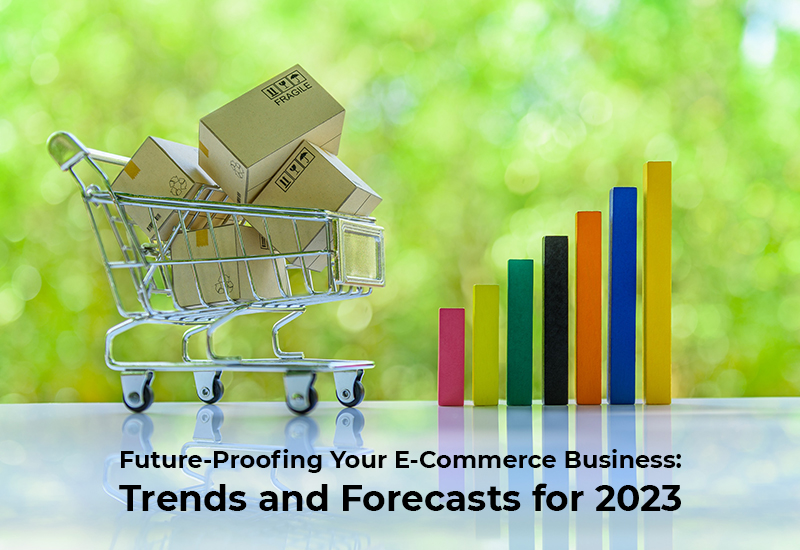
  • Future-Proofing Your E-Commerce Business: Trends and Forecasts for 2023

    Future-Proofing Your E-Commerce Business: Trends and Forecasts for 2023

    COVID-19 proved to be a turning point for the e-commerce industry. With physical movements restricted, it made online stores the go-to shopping destination. And while offline retailers have reported an impressive recovery in footfalls and sales in the last couple of years, consumers continue to shop online.

    According to a report, the B2C e-commerce market in India is expected to reach $107.3 billion in 2023, growing at 10.75% annually.

    But to keep up with the momentum, online stores must understand the rapidly evolving consumers and adopt the latest trends making the biggest impact. Check out 3 e-commerce trends expected to make a splash in 2023-

    1. The Era of Synthetic Media

    The launch of ChatGPT by OpenAI has opened the floodgates for using synthetic media in online marketing. Synthetic media is any content enabled, generated, or edited by Artificial Intelligence (AI). Several brands have started using such AI tools to generate pictures and articles.

    But as AI and synthetic media will go more mainstream in 2023, it is essential for brands and marketers not to lose their voice. Your content should resonate with your target customers and not just be to fill up space on your website or marketing emails.

    2.Offer a Seamless Mobile Shopping Experience

    Mobile commerce, or m-commerce, is one of the fastest-growing subdivisions of e-commerce. Between 2023-2028, the global mobile commerce market is expected to grow at a CAGR of 33.27%. And with the rapidly growing reach of cheap mobile internet, Indian consumers will play a critical role in the development of m-commerce.

    With consumers expecting online retailers to offer on-the-go shopping convenience, having a user-friendly mobile store is an absolute must. If you don’t have one, consider investing in a mobile app or shopping website.

    3.Social Commerce and Live Commerce

    The digital landscape is a breeding ground for new and innovative marketing channels. For instance, besides running ads on social platforms, brands should also add social commerce to their marketing arsenal. It already has a market size of $2 billion in India and is expected to grow at an impressive CAGR of 50%-60% in the next 5 years. TikTok and Instagram have also launched shopping features.

    Another channel worth considering is live commerce. It is the process of promoting and selling products on digital platforms through live streams, generally by collaborating with influencers. Amazon has already launched Amazon Live, where it uses an army of 150+ influencers to sell products through live streams.

    Start Leveraging the Latest E-Commerce Trends

    The e-commerce industry is moving fast, and early adopters are often the biggest beneficiaries. If you’re working on your marketing plan for 2023, note these 3 e-commerce marketing trends to fulfill the consumers’ expectations and pave the path for consistent growth.

    You can also consider working with a leading digital marketing agency specializing in e-commerce marketing to leverage these trends and future-proof your business.


  • Weekend Digital Media Round-Up: Meta Expands Reels Monetization to More Creators, The Uncertain Future of the Metaverse: Trends and Skepticism, Google Unveils Search Upgrades At I/O: Generative AI & ‘Perspectives’ & More…

    Weekend Digital Media Round-Up: Meta Expands Reels Monetization to More Creators, The Uncertain Future of the Metaverse: Trends and Skepticism, Google Unveils Search Upgrades At I/O: Generative AI & ‘Perspectives’ & More…

    1.Meta Expands Reels Monetization to More Creators, Updates Payout Process

    Meta’s updating its monetization program for Reels creators, which will now see creators paid based on the performance of their content, as opposed to the ads shown alongside their clips. [Source: Social Media Today]

    2. The Uncertain Future of the Metaverse: Trends and Skepticism

    The concept of metaverse primarily focuses on creating a virtual world that enables users to engage in more immersive and interactive experiences through virtual reality technology. [Source: Digital Information World]

    3. Google Unveils Search Upgrades At I/O: Generative AI & ‘Perspectives’

    Google I/O, several advancements to Search were unveiled for the first time.Two of the most significant updates to Search include integrating a “Perspectives” feature and applying generative AI to enhance search results. [Source: Search Engine Land]

    4. Pinterest Launches Simplified Pin Creation Flow, Adds Links in All Pins

    Pinterest is looking to simplify its creation flow, by combining all of its creation features into a single stream, including functionality that up till now was only available in certain Pin formats. [Source: Social Media Today]

    5. Google will replace FID with INP as Core Web Vitals metric

    Google Search Console will add Interaction to Next Paint in the Core Web Vitals report later this year so you can start seeing your scores. [Source: Search Engine Land]

    6. A Marketer’s Guide to the Key Announcements from Google I/O 2023

    Google  outlined a range of new and coming advances to Search, Google ads, visual creation elements and more in its annual event. [Source: Social Media Today]

    7. Google’s New Android Auto-Update Makes Drivers’ Time In The Car More Productive

    The company’s latest feature for Android users makes drivers’ time spent inside cars all the more productive and it’s all thanks to a new partnership alongside Zoom, Webex, and Microsoft. [Source: Digital Information World]

    8. What ads look like in the new Google Search Generative Experience

    Google will have search ads on its all-new search engine, the new Google Search Generative Experience on day one.Advertisers won’t be able to opt out of showing ads on the new search experience – at least not immediately. [Source: Search Engine Land]

    9. YouTube Launches Cost Management Tools for Creator Music, Live Shopping Tags on Mobile

    YouTube’s adding some new options to its Creator Music element, which enables creators to pay for music licensing in-stream, while it’s also adding the capacity to highlight products within live streams on mobile apps. [Source: Social Media Today]

    10. Google Bard now can show Search and knowledge panels, maps and more while removing the waitlist

    Google has removed the waitlist for Google Bard today at Google I/O, opening Bard to over 180 countries in US English, Japanese and Korean languages. [Source: Search Engine Land]


  • Weekend Digital Media Round-Up: Key takeaways from Meta Q1 2023 revenue report, Pinterest Announces Third Party Ad Placement Partnership, New Update to Google’s Dangerous Products or services policy & More…

    Weekend Digital Media Round-Up: Key takeaways from Meta Q1 2023 revenue report, Pinterest Announces Third Party Ad Placement Partnership, New Update to Google’s Dangerous Products or services policy & More…

    1.Key takeaways from Meta Q1 2023 revenue report

    The Meta Q1 2023 report highlights the active usage of apps owned by Meta, the network’s standing in terms of revenue generated, and an update on the company’s current headcount after the mass layoffs. [Source: Social Samosa]

    2. Pinterest Announces Third Party Ad Placement Partnerships, Beginning with Amazon

    Pinterest has announced a new partnership with Amazon, which will enable Amazon advertisers to expand their campaigns to Pinterest, via an integrated presentation and purchase flow process. [Source: Social Media Today]

    3. New update to Google’s Dangerous products or services policy

    Google Ads will update its Dangerous products and services policy to encompass advertisements for items that pose an imminent, proven, and unresolved risk of death or severe bodily harm, particularly if they have been the subject of consumer advisories or product recalls. [Source: Search Engine Land]

    4. Google Dives Down Deep Into Explaining Why Its Authenticator Isn’t E2E Encrypted Amid Concerns

    Google explained that the goal of Authenticator’s new sync feature is to “offer features that protect users but are useful and convenient.”  [Source: Digital Information World]

    5. Meta Looks to Integrate Shopping Elements for Facebook and Instagram Ads

    Meta is making some changes to Shop ads on Facebook and Instagram, as it moves to make in-stream buying more efficient, and encourage use of its improving AI ad targeting options. [Source: Social Media Today]

    6. YouTube Unveils AI-Powered Music Ads To Connect With Gen Z

    YouTube unveils AI-powered ad solutions targeting Gen Z’s diverse music preferences on long-form and Shorts formats. [Source: Search Engine Journal]

    7. Apple’s AirTag Has Turned Into A Must-Have Accessory For Travelers Around The World As Sales Skyrocket

    Apple’s AirTag has become a must-have accessory for a lot of travelers around the world, as it helps people easily track their luggage. And as more people are returning to travel frequently following the relief of the pandemic, sales of item-tracking accessories have grown considerably in recent month. [Source: Digital Information World]

    8. WhatsApp Adds the Capacity to Log into the App on Multiple Devices

    WhatsApp’s rolling out a new option that will enable users to log into the same WhatsApp account on multiple devices, making it easier to stay connected with your WhatsApp chats.[Source: Social Media Today]

    9. Google Search Console API: A Powerful Tool For Data-Driven Optimization

    Google Search Console API offers developers four in-depth search performance data methods, enabling data-driven website optimization and improved performance. [Source: Search Engine Journal]

    10. LinkedIn Launches New Video Series as it Expands its Focus on Original Content

    LinkedIn has launched a new video series, as part of its broader focus on original content, which will highlight a range of people who’ve dealt with significant setbacks in their careers, and have still been able to achieve success. [Source: Social Media Today]


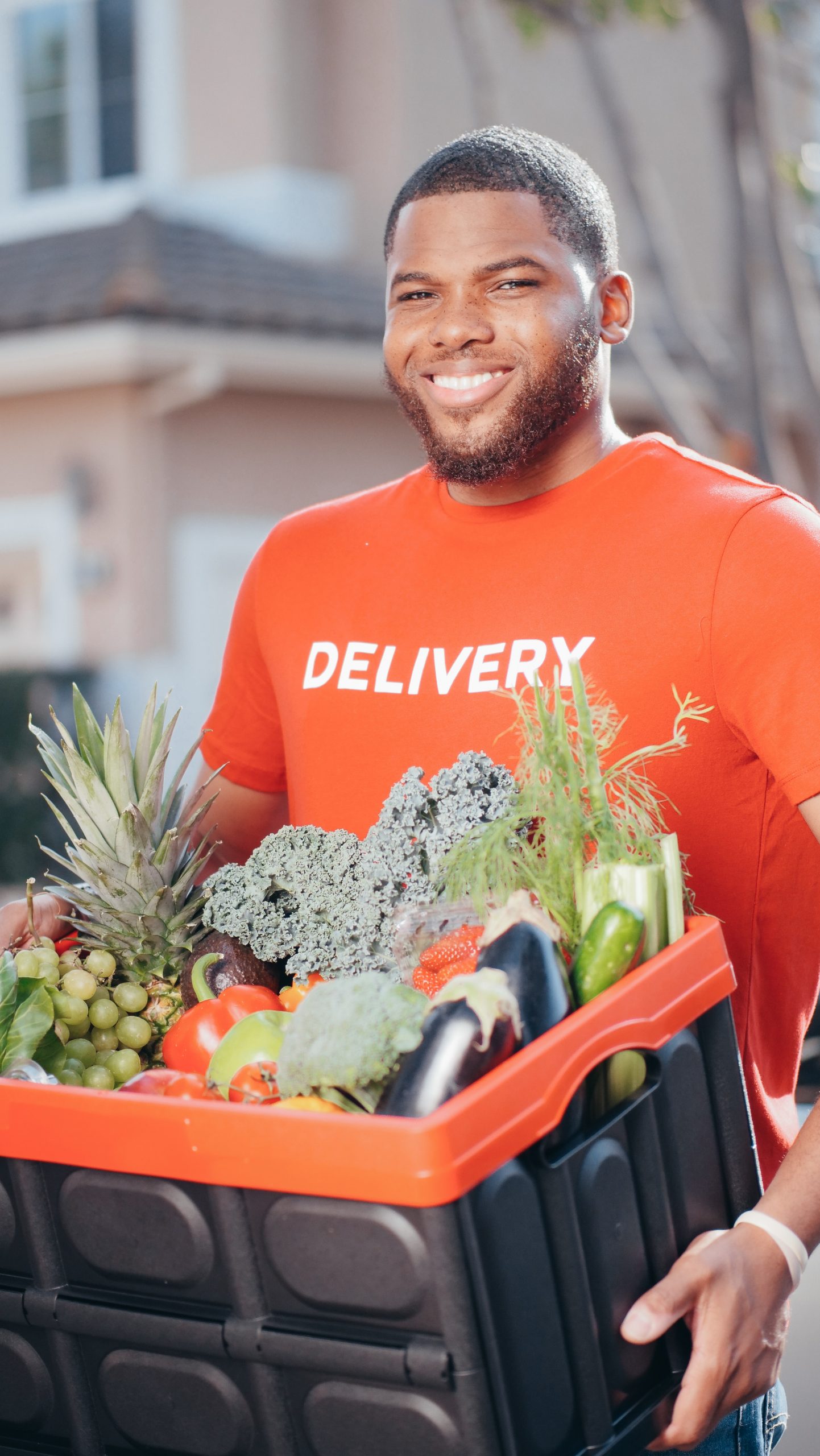
  • The Evolution of Grocery E-commerce: Trends and Strategies for Success

    The Evolution of Grocery E-commerce: Trends and Strategies for Success

    In recent years, the growth of e-commerce has been evident in almost every industry, including the grocery sector. The pandemic-induced lockdowns and social distancing norms have led to a significant increase in the adoption of online grocery shopping. With the rapid growth of the online grocery market, it is essential for retailers to stay up-to-date with the latest trends and strategies to stay ahead of the competition.

    The grocery ecommerce according to a report by IGD, the online grocery market is expected to reach $335 billion globally by 2025. The United States alone is projected to reach $250 billion in online grocery sales by 2025, making up 21.5% of the total grocery market. This projected growth can be attributed to several factors, such as increased consumer demand for convenience, the rise of digital natives, and advances in technology.

    The key to success in e-commerce is to understand your customers’ behavior and preferences. A study by Bain & Company found that the top three factors that drive consumers to shop online for groceries are convenience, time savings, and access to a broader range of products. Another trend that has emerged in recent years is the demand for sustainable and eco-friendly products. Retailers who can cater to these preferences are likely to succeed in the long run.

    One of the critical factors that determine the success of an e-commerce platform is its user experience. It is essential to create a seamless and personalized shopping experience for customers. Some of the strategies that retailers can adopt to achieve this are:

    1. Offer personalized product recommendations based on customer preferences and past purchases.
    2. Provide multiple delivery options, including same-day delivery and curbside pickup.
    3. Use data analytics to understand customer behavior and preferences better.
    4. Optimize the mobile experience as more consumers are likely to shop via their mobile devices.

    Another strategy that retailers can adopt is to leverage technology to streamline their operations. This includes investing in warehouse automation, implementing RFID technology for inventory management, and using chatbots for customer support.

    The pandemic has accelerated the growth of e-commerce, and it is likely to continue in the coming years. Some of the trends that are expected to redefine the grocery e-commerce market in 2022 are:

    1. Increased adoption of AI and Machine Learning to personalize the shopping experience.
    2. Expansion of social commerce with the integration of social media platforms into e-commerce.
    3. Growth of subscription-based models to enhance customer loyalty.
    4. Increase in the use of voice-enabled devices for online grocery shopping.

    The growth of the online grocery market presents a tremendous opportunity for retailers. However, with the growing competition, it is crucial to stay up-to-date with the latest trends and strategies to succeed. By providing a seamless and personalized shopping experience, leveraging technology, and understanding customer behavior and preferences, retailers can gain a competitive edge in the grocery e-commerce market.


  • Key Trends Shaping the Future of Indian E-Commerce in 2023

    Key Trends Shaping the Future of Indian E-Commerce in 2023

    The Indian e-commerce industry is poised for significant growth in the coming years, driven by a combination of technological innovation and changing consumer behavior. As we look ahead to 2023, there are several key trends that are expected to shape the industry.

    Mobile commerce: With more and more consumers using their smartphones to make purchases online, mobile commerce is expected to continue its rapid growth trajectory in the coming years. This trend is expected to be particularly pronounced in India, where mobile internet usage has been steadily increasing.

    Omnichannel retail: As e-commerce platforms become more sophisticated, retailers are increasingly embracing an omnichannel approach, integrating their online and offline sales channels to create a seamless shopping experience for customers. This trend is expected to continue in 2023, as retailers seek to provide a more personalized and convenient shopping experience.

    Voice commerce: The rise of voice-activated smart devices like Amazon’s Alexa and Google Home is expected to drive the growth of voice commerce in the coming years. In India, where voice technology is becoming increasingly prevalent, this trend is expected to be particularly pronounced.

    Artificial intelligence: As e-commerce platforms become more sophisticated, they are increasingly leveraging artificial intelligence (AI) and machine learning to improve the shopping experience for customers. From personalized recommendations to chatbots that provide customer service, AI is expected to play an increasingly important role in the e-commerce industry in 2023.

    Rural e-commerce: With internet connectivity improving in rural areas, the e-commerce industry is beginning to expand beyond urban centers. In India, this trend is expected to be particularly pronounced, as retailers seek to tap into the vast potential of the country’s rural consumer market.

    These trends are just a few examples of the many ways in which the Indian e-commerce industry is expected to evolve in the coming years. As retailers and e-commerce platforms continue to innovate and adapt to changing consumer behavior, the industry is poised for significant growth and expansion.

    As a seller, marketer, or platform provider, it’s essential to stay up-to-date on these trends in order to stay ahead of the curve and meet the evolving needs of consumers. By embracing new technologies and strategies, businesses can position themselves for success in the fast-growing world of Indian e-commerce.

    What do you think will be the most significant trend for the Indian e-commerce industry in 2023?

  • Consumer Journey Mapping for Success

    Consumer Journey Mapping for Success

    Defining the buzz word Customer Journey Map?

    To phrase it in simple terms, it’s a visual representation of the customer’s experience. It should accurately reflect the entire experience right from the moment a customer makes contact with your brand, to the moment they complete a purchase (and sometimes even after sales experiences). A CJM should include customer emotions – both positive and negative.

    A CJM helps teams understand how different customer touchpoints interact with each other, the time required, and how the customer’s emotions vary throughout the experience.

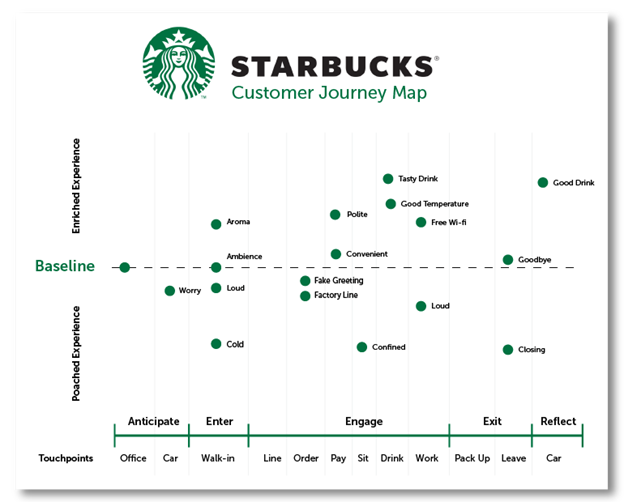
    Both Apple and Starbucks are pros in using a highly detailed model to visualize the customer experience. For instance, Starbucks starts the customer experience right from the moment a potential customer thinks about purchasing a cup of coffee.

    Using Customer Journey Mapping for Success –  

    • Look beyond data-driven principles
    • Create personalized content for digital experiences
    • Focus on the emotions & motivations
    • Focus on the overall experience, not just the journey

    https://Image via Podium

    As you can see, this map not only includes all possible emotions of the customer and various touchpoints; it also offers a baseline for what the brand considers as “an enriched customer experience.” This helps the Starbucks employees ensure that each customer gets the best possible experience at all times, thereby enhancing the brand’s value.

    It’s essential that you consider all touchpoints and customer perspectives when mapping out the customer journey. Make sure to consider the emotional journey of touchpoints to figure out the right course of action.

    Let’s understand the role of emotions in a Customer Journey

    Emotions hold the key to either make or break a customer experience. Emotions make customers decide whether they want to buy or not buy from a particular brand. Most importantly, customer emotions determine whether they want to remain loyal to a brand.

    The emotions a customer experiences while interacting with a brand can be divided into four different clusters:

    Emotion Cluster Type

    Emotions Experienced

    Value

    Advocacy Cluster Happy, Pleased Drives long-term value
    Recommendation Cluster Safe, Focused, Trusting, Valued Influences short-term spend
    Attention Cluster Interesting, Energetic, Indulgent, Exploratory
    Destroying Cluster Irritated, Hurried, Neglected, Unhappy, Stressed, Disappointed, Frustrated, Dissatisfied

    Identifying these twenty emotions that influence customer experience may not be easy at first. However, once you build a detailed CJM and understand the emotional engagement behind each touchpoint, then you can understand whether these emotions drive or destroy value for your brand.

    You can then work on building an emotional experience that is planned and deliberate and not leave it to chance.

    The Bottomline

    You would have heard the saying – conversion is king in digital sales. Most marketers and brands focus on closing a sale and converting a customer into a buyer, that they forget the most indispensable part of the journey – the customer experience.

    Booking.com is a great example of data-driven design. They do a lot of A/B testing to see how people best convert to booking flights and hotels on their platform.

    Through their tests, they’ve discovered that adding “Urgency Messaging” drives people to book more. Urgency messaging is something like “Hey this hotel has just 4 rooms left, book soon”. That’s nice, however, over the years, booking.com has added one urgency message after another, to the point where now it looks more like a shady used car lot than like a serious place to book hotels.  Most recently, it has started showing you hotels you can’t even book, just to drive home that point that “people are booking hotels here at booking.com so you should too”: And I’m sure it works to improve conversions by 0.4%. But if you look at the whole experience, it’s really starting to degrade. That’s the type of result you get when you myopically optimize your product based on data points and single-digit improvements to conversion, without considering the overall experience.(source: Medium.com)

    While it’s true that conversion rates help you determine whether a campaign, product, service, or app is successful, digital marketers have to look beyond the conversion numbers. You need to focus on the broader customer journey, so that you can continue increasing conversion rates, over the lifetime of the customer.

    Remember that for customers clicking “confirm order,” is just a single step of the journey. All other aspects of the brand – the overall experience – is what turns them from a one-time customer to being loyal to your brand, for years to come. As a digital marketer, focus on providing customers with an enriched experience, and the rest will fall into place automatically.

    Logicserve Digital is a leading Digital Marketing & Digital Consulting services company with offices spanning across India. We partner with clients all over the world to create perfect digital journeys. As Certified Adobe Partners we are growing in what we do and how we do it. We help in determining the feasibility and end-to-end requirements needed for enterprise-level CX initiatives at an early stage.

    Our Services:

    Adobe Target for Personalization

    Making every experience relevant and personal is the sign of an experience business. Adobe Target is a personalization engine that lets you test and optimize with machine learning across mobile apps and the web.

    • Take omnichannel personalization to the masses.
    • Stop guessing with A/B and multivariate testing.
    • Improve every experience with AI-powered automation and scale.

    Adobe Analytics

    • Reports & Analytics: Reporting on key digital metrics and dimensions as well as scheduling custom reports and dashboards for delivery. Ad hoc Analysis: Advanced analysis tool with rich segmentation capabilities and multi-dimensional breakdowns
    • Analysis Workspace: Robust, flexible canvas for building, curating, and sharing custom analysis projects, using various tools such as freeform and cohort analysis
    • Report builder: Excel integration for custom reporting and analysis directly in Microsoft Excel
    • Mobile App Analytics: App-centric user interface with various mobile marketing capabilities (in-app messaging, push notifications, geo-targeting, etc.)
    • Data workbench: Advanced data discovery tool for analyzing customer data across multiple channels (web, point-of-sale, kiosk, call center, IVR)

    Adobe Campaign for Customer Engagements

    • Email marketing – Good cross channel campaigns are built on email.
    • Customer journey – We know your customer’s journey matters. See the whole picture of that journey to know your customers and how they get to you.
    • Omnichannel marketing – Customers matter more than channels. So, build cross-channel campaigns that talk to your customers when and where they want.

    To know more about enhancing marketing lifecycles, please feel free to get in touch with our Customer Experience Expert – Mr. Ashish Duggal at +91 98200 55843 or write to him at ashish.d@logicserve.com